

Hey there! As a supplier of pump pressure switches, I've been getting a lot of questions lately about how these nifty little devices work in a well pump system. So, I thought I'd take a few minutes to break it down for you.
Let's start with the basics. A well pump system is designed to draw water from a well and deliver it to your home or business. The pump pressure switch plays a crucial role in this process by controlling when the pump turns on and off.
How a Pump Pressure Switch Works
At its core, a pump pressure switch is a simple mechanical device that responds to changes in water pressure. It consists of a diaphragm, a set of electrical contacts, and a spring. When the water pressure in the system drops below a certain level, the diaphragm moves, causing the electrical contacts to close. This completes an electrical circuit, which sends a signal to the pump to turn on.

Once the pump starts running, it begins to draw water from the well and build up pressure in the system. As the pressure increases, the diaphragm moves back to its original position, causing the electrical contacts to open. This breaks the electrical circuit, which sends a signal to the pump to turn off.
The pressure at which the switch turns the pump on is called the "cut-in" pressure, and the pressure at which it turns the pump off is called the "cut-out" pressure. These pressures are typically set at the factory, but they can be adjusted to suit your specific needs.
The Role of the Pressure Tank
In a well pump system, the pressure tank plays an important role in maintaining a consistent water pressure. The tank is filled with air and water, and it acts as a buffer between the pump and the plumbing system. When the pump turns on, it fills the tank with water, compressing the air inside. As the water is used, the pressure in the tank decreases, and the air expands, pushing the water out of the tank and into the plumbing system.
The pressure tank also helps to reduce the number of times the pump has to turn on and off. Without a pressure tank, the pump would have to turn on every time you opened a faucet or flushed a toilet, which would cause it to wear out more quickly.
Types of Pump Pressure Switches
There are two main types of pump pressure switches: mechanical and electronic.
Mechanical Pressure Switches
Mechanical pressure switches are the most common type of switch used in well pump systems. They are simple, reliable, and relatively inexpensive. Mechanical switches use a diaphragm and a set of electrical contacts to control the pump. They are typically adjustable, allowing you to set the cut-in and cut-out pressures to suit your specific needs.
Electronic Pressure Switches
Electronic pressure switches are a newer type of switch that uses a pressure sensor and an electronic circuit to control the pump. They are more accurate and reliable than mechanical switches, and they offer a wider range of features and options. Electronic switches can be programmed to adjust the cut-in and cut-out pressures automatically, and they can also be used to monitor the pump's performance and detect problems.
Benefits of Using a Pump Pressure Switch
Using a pump pressure switch in your well pump system offers several benefits, including:
- Energy Efficiency: By controlling when the pump turns on and off, a pressure switch helps to reduce the amount of energy the pump uses. This can save you money on your energy bills over time.
- Pump Protection: A pressure switch helps to protect the pump from damage by preventing it from running dry or overloading. This can extend the life of the pump and reduce the need for costly repairs.
- Consistent Water Pressure: A pressure switch helps to maintain a consistent water pressure in your plumbing system, which can improve the performance of your appliances and fixtures.
- Convenience: A pressure switch allows you to use your well pump system without having to manually turn the pump on and off. This can make your life easier and more convenient.
Where to Find the Right Pump Pressure Switch
If you're in the market for a pump pressure switch, you've come to the right place. As a leading supplier of pump pressure switches, we offer a wide range of products to suit your specific needs. Whether you're looking for a mechanical switch or an electronic switch, we have the right switch for you.
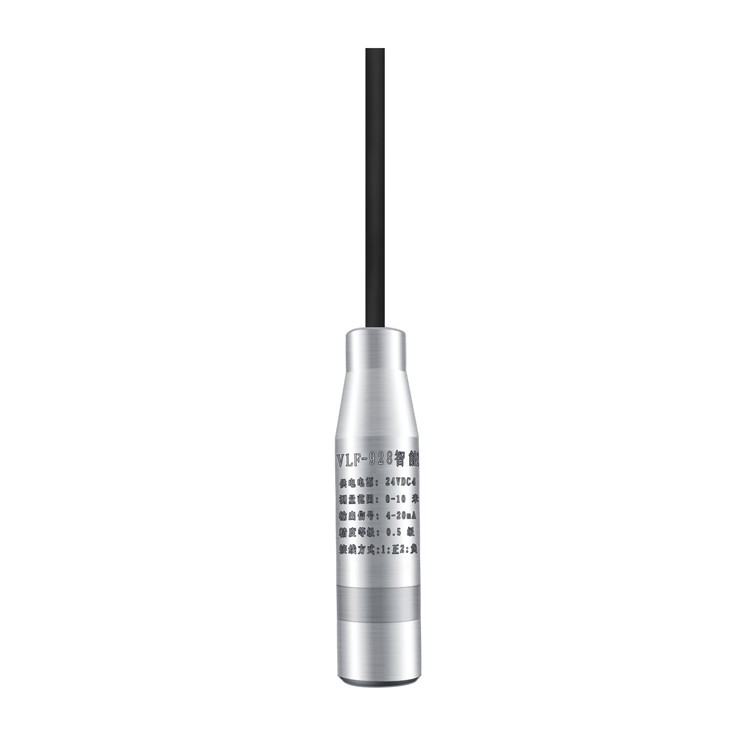
We also offer a variety of other water pump switches and accessories, including Automatic Pump Control, Pressure Controller, and Liquid Level Sensor. Our products are designed to be reliable, efficient, and easy to install, and we offer competitive prices and excellent customer service.
If you have any questions about our products or need help choosing the right switch for your well pump system, please don't hesitate to contact us. We're here to help you find the right solution for your needs.
Conclusion
In conclusion, a pump pressure switch is an essential component of any well pump system. It helps to control when the pump turns on and off, which can save you energy, protect the pump from damage, and maintain a consistent water pressure in your plumbing system. If you're in the market for a pump pressure switch, be sure to choose a high-quality product from a reputable supplier. And if you have any questions or need help choosing the right switch for your system, don't hesitate to contact us. We're here to help you get the most out of your well pump system.
References
- Well Pump Systems: A Guide to Installation, Maintenance, and Repair.
- Water Pumping Systems: Design, Installation, and Operation.
- Pump Pressure Switches: How They Work and Why You Need One.