

Company Profile
Ningbo Volyford Import & Export Co., Ltd. is an export-oriented company mainly engaged in production and sales, now focusing on water pumps, inverters, variable frequency pumps, permanent magnet variable frequency pumps, variable frequency fishery machinery, pump controllers, pressure transmitters, garden tools, sanitary ware, massage and fitness appliances, pet products, electronic components and other industries. The factory is located in Ningbo, China. Our factory has passed ISO9001 quality system certification, and many products have passed TUV,CE, ROHS, etc. Welcome new and old customers to contact us, thanks!
Why choose us?
01/
Expertise and experience
We have a team of professionals who have many years of experience and are experts in their respective fields.
02/
Quality products and services
We offer high-quality products and services that meet our clients' needs.
03/
Competitive pricing
We offer our products and services at affordable and competitive prices.
04/
Personalized service
We provide personalized services tailored to meet our clients' unique needs, ensuring a positive experience.
05/
Timely delivery
We understand the importance of meeting deadlines and ensure that our products and services are delivered on time.
06/
Excellent customer support
We have a friendly and knowledgeable customer support team that is available to answer any questions or concerns.
07/
Innovative solutions
We continually innovate and develop new solutions to meet our clients' changing needs.
08/
Trust and reliability
We have a proven track record of delivering high-quality products and services, building trust and reliability with our client base.
-

Water Pump Inverter
Swimming pool water supply system. Commercial water supply system. Factory dormitory water supply Add to Inquiry -
Water-cooled Inverters
Single-phase in and Single-phase out. Input Voltage: 1*220V. Output Voltage: 1*220V Add to Inquiry -
Inverter for Pumps
Tap water booster system. Household and residential water supply system. Swimming pool water supply Add to Inquiry -
110V Water Pump Inverter
Tap water booster system. Household and residential water supply system. Swimming pool water supply Add to Inquiry -
Three-phase Water Pump Inverter
Cooling water systems. Household and residential water supply system. Commercial water supply Add to Inquiry -
High Performance Vector Type Inverter
VLF9 series is the new generation products to meet general purpose and special technical demand. Add to Inquiry -
Water-Cooled Single-Phase Water Pump Inverter
This intelligent water-cooled inverter VFA-60M series is an easy-to-use control and protection Add to Inquiry -
Air-Cooled Water Pump Inverter
This inverter is used especially for water pump, it adopts the industry leading technique SPWM and Add to Inquiry -
New LCD Three-phase Inverter
This inverter is used especially for water pump. It adopts the industry leading technique SPWM and Add to Inquiry -
Inverter With Float Switch
This inverter is used especially for water pump. It adopts the industry leading technique SPWM and Add to Inquiry -
Inverter With Pump Leakage Detection
This inverter is used especially for water pump. It adopts the industry leading technique SPWM and Add to Inquiry -
Swimming Pool Pump Inverter
This inverter is specially designed for swimming pool pumps and has speed adjustment and timing Add to Inquiry


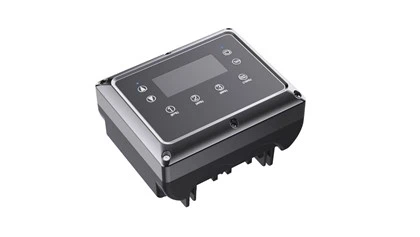

What is Inverter?
An inverter is a device that converts direct current (DC) to alternating current (AC). This type of device is used to convert power from sources such as solar panels or batteries into a form that can be used by appliances and other electrical devices that require AC power. Inverters are commonly used in applications such as solar power systems, backup power systems, and motor drives. They can also be used to regulate the voltage and frequency of the AC power output.
Benefits of Inverter
Energy efficiency
Inverters help in reducing energy consumption by converting direct current (DC) into alternating current (AC) with maximum efficiency. This means that they can save you a lot of money on electricity bills in the long run.
Longer lifespan
Inverters can help extend the lifespan of electronic devices by regulating the amount of power supplied to them. This reduces the amount of wear and tear on the internal components of the device, leading to a longer lifespan.
Noise reduction
Inverter technology reduces the noise produced by appliances by making them operate at a slower, more consistent speed. This makes them ideal for use in noise-sensitive environments like hospitals, libraries, and schools.
Environmental benefits
By reducing energy consumption and increasing the lifespan of electronic devices, inverters contribute to a healthier environment by reducing the amount of e-waste generated from the disposal of old devices.
Types of Inverter
1.Grid-tie Inverter
2.Off-grid Inverter
3.Hybrid Inverter
4.Micro Inverter
5.String Inverter
6.Central Inverter
7.Battery-based Inverter
8.Solar PV Inverter
9.Wind Power Inverter
10.Vehicle Inverter


Application of Inverter
Inverters are used in any application where a DC power source must be converted to an AC power source. The most common applications are in battery-powered mobile and marine vehicles, uninterruptible power supplies, renewable energy generation systems, and stationary battery banks.
Components of Inverter
An inverter consists of three elements: a converter circuit that converts AC current into DC current, a capacitor, and a power inverter circuit. First, the converter circuit converts the AC to DC and then repeatedly charges and discharges the capacitor to create a stable DC.

How to Maintain Inverter?
1

Cleanliness
Keep the inverter clean and free of dust, debris and moisture. Follow the manufacturer's instructions on how to clean the unit.
2
Voltage and load
Make sure the inverter is always connected to a proper voltage source and proper load. Overloading or underloading can damage the inverter.
3
Battery maintenance
Check the battery regularly for corrosion, proper connection and charge level. Replace the battery when it no longer holds a charge or has a low voltage.
4
Cooling system
Make sure that the inverter has proper air flow and the cooling fan is working properly. Clean the fan blades and check the fan motor periodically.
5
Use the device properly
Follow manufacturer's instructions regarding the usage of the inverter. Run only the devices that are compatible with the inverter.
6
Regular testing
Test the inverter periodically to make sure it is functioning correctly. Check the input and output voltage, waveform and frequency.
7
Keep it in a safe location
Place the inverter in a dry and safe location, away from direct sunlight and other sources of heat. Keep it out of reach from children and pets.
8
Service and repairs
If you notice any problems with the inverter, have it serviced immediately by a professional technician. Do not try to repair it yourself as it can be dangerous.
Material of Inverter
An inverter is an electronic device that converts direct current (DC) to alternating current (AC). The material used in an inverter largely determines its performance, efficiency, and durability.
The primary material utilized in an inverter is a semiconductor, which can be of different types such as silicon, germanium, or gallium arsenide. Silicon is the most common semiconductor material used in inverters due to its low cost and high durability. The semiconductor material is used to create transistors, which are the building blocks of the inverter.
Apart from semiconductors, other materials utilized in an inverter include capacitors, resistors, diodes, transformers, and printed circuit boards (PCBs). Capacitors are used to store and discharge electrical energy, while resistors are used to limit the flow of current. Diodes are used to ensure that current flows in one direction only, while transformers are used to vary the voltage levels. PCBs are used to provide connectivity between various components of the inverter.
The durability and efficiency of an inverter can be greatly impacted by the quality of the materials used. High-quality materials can increase the lifespan of the inverter, while low-quality materials can cause frequent breakdowns and malfunctions. Therefore, it is essential to choose an inverter with high-quality materials to ensure its reliability and longevity.
Process of Inverter
Design and planning
In the first step of the inverter production process, the design team will create a detailed plan for the inverter. This includes the specifications and requirements, circuit board layouts, and selection of components.
Component selection and procurement
The electronic components used in an inverter must be carefully selected for quality and reliability. Components that must be procured may include capacitors, diodes, transistors, and integrated circuits.
Cutting and etching of PCBs
PCB (printed circuit board) is an essential component of the inverter, and it must be cut and etched with precision to ensure the circuits function correctly.
Assembly of PCBs
The PCBs are assembled, and SMD (surface mount device) components are soldered onto the board using advanced equipment.
Testing of PCB assemblies
After soldering of SMD components on the board, the PCB assemblies are inspected using automated testing equipment to ensure they meet the quality standard.
Inverter assembly
All the PCBs are assembled together and connected with the required transformers and other components to build the inverter.
Testing and calibration
The inverter is placed under stringent testing conditions to monitor its performance. The device is tested for efficiency, frequency range, and under loaded or no-load conditions. Also, the calibration of various settings on the inverter is done to ensure accurate and smooth operation.
Quality assurance and packaging
The inverter is thoroughly inspected before being packaged for shipment. The final packaging involves placing the inverter in a protective casing.
Shipping and delivery
The inverter is shipped to the customer's location after passing the quality assurance and testing phases.
How to Choose an Inverter
1
Power output: The power output of the inverter should match the total power consumption of your energy needs, including appliances and gadgets. Calculate this power consumption and add some extra capacity to accommodate for future needs or unexpected surges.
2
Waveform type: Choose between pure sine wave or modified sine wave. Pure sine wave is recommended for sensitive electronics and appliances like laptops, fridges, and medical devices, whereas modified sine wave is ideal for less sensitive devices such as power tools and lighting.
3
Size and space: Choose an inverter that fits in the available space. If you need to install it in a car or boat, a smaller size is ideal.
4
Voltage: Ensure that the voltage rating of your inverter matches that of your battery bank or power source.
5
Efficiency: Choose an inverter that has high conversion efficiency to reduce energy wastage and extend battery life.
6
Features: Consider the additional features that the inverter offers, such as battery charging and monitoring, safety alarms, remote control, and automatic shut-off.
7
Brand and warranty: Invest in a reliable brand with a good reputation and warranty for your peace of mind.
How the Inverter Works
An inverter is a device that converts DC (Direct Current) electricity into AC (Alternating Current) electricity. This process is essential to making renewable energy sources, such as solar panels, usable for everyday household use, as most appliances require AC power to function.
In essence, an inverter takes the DC energy that is generated by a source (such as a battery or solar panel) and converts it into AC power that can be used to power appliances. The process of converting the energy involves several steps:
Rectification: The DC electricity is first passed through a rectifier, which converts any AC component to DC, ensuring that the output is pure DC.
Filtering: Once the DC output is obtained, it goes through a filter that removes any unwanted AC frequencies that may still be present.
Inversion: The DC electricity is then inverted by using a switching circuit made up of transistors or other semiconductor devices. This switching circuit rapidly turns the DC power on and off, creating an AC output waveform that closely matches the standard sinusoidal waveform of AC power.
Conversion: Finally, the AC output is converted to the desired voltage and frequency to match the requirements of the appliance being powered.
The inverter is an essential component in the process of converting renewable energy into usable power for homes and businesses. It operates by taking DC electricity and turning it into AC power through a series of processes that involve rectification, filtering, inversion, and conversion.

FAQ
Q: What is an inverter used for?
A: They are electronic devices that can turn DC (Direct Current) to AC (Alternating Current). It is also responsible for controlling speed and torque for electric motors. Electric motors are found in most devices we use to do work such as small electronics, transportation, and office appliances.
Q: Can an inverter convert AC to DC?
A: Most modern inverters have the appropriate circuitry to be able to handle AC to DC conversion but need the appropriate controls, which many inverters might not be able to handle. In most cases, although many inverters can convert AC to DC, they aren't necessarily designed for it.
Q: What is the purpose of the inverter?
A: An inverter converts the DC electricity from sources such as batteries or fuel cells to AC electricity. The electricity can be at any required voltage; in particular it can operate AC equipment designed for mains operation, or rectified to produce DC at any desired voltage.
Q: What is inverter used as?
A: An inverter is a device which helps in converting the direct current electricity into alternate current electricity. Inverters are mainly used as a source of power to run devices when there are power cuts. Most of our home appliances require only the AC electricity for proper working.
Q: Does inverter save electricity?
A: It saves energy: By always keeping compressor speed to a minimum, less electricity is used. This is because switching equipment on and off usually uses more energy: Inverter technology avoids this by maintaining a minimum speed, consuming between 25% and 50% less than traditional devices.
Q: What is the most common use of an inverter?
A: An inverter is a device which converts a DC (direct current) voltage source into an AC (alternating current) voltage source. It is useful when you want to run an appliance designed to be operated from AC mains (120 or 240Vac, 50 or 60Hz) from a battery (often 12 or 24Vdc).
Q: Why is it called an inverter?
A: If you invert the connections to a converter you put dc in and get ac out. Hence an inverter is an inverted converter.
Q: Why is an inverter the best?
A: Uninterrupted Power Supply: Inverters provide a seamless transition to backup power during blackouts, allowing you to keep essential appliances running smoothly with the best inverter for home.
Q: How long does inverter last?
A: Depending on the type, an inverter can last up to 25 years. Others can fail after only a few years. All of the above components in an inverter are subject to electro-mechanical wear and temperature fluctuation stresses. In the case of capacitors, electrolyte evaporation is also a concern.
Q: How do I choose an inverter for my home?
A: Simply divide your required wattage by the power factor of the inverter. In our case, we will be dividing 265W by 0.7, which is equal to about 378VA. You can now pick any inverter that has a higher Volt Ampere rating than 378VA. Try not to pick a number too high though, as that will simply be a waste of money.
Q: Why inverter is better than AC?
A: An inverter is energy saving technology that eliminates wasted operation in air conditioners by efficiently controlling motor speed. Air conditioners maintain set temperature by cooling when room temperature rises above the set temperature and heating when the room temperature falls below the set temperature.
Q: Should I leave my inverter AC on all the time?
A: Avoid turning your inverter AC system on and off whenever possible, as doing so may reduce its energy-saving benefits. It's cheaper and more effective to keep your system running all day long than to stop and start it frequently throughout the day.
Q: What is the main function of inverter?
A: An inverter converts the DC electricity from sources such as batteries or fuel cells to AC electricity. The electricity can be at any required voltage; in particular it can operate AC equipment designed for mains operation, or rectified to produce DC at any desired voltage.
Q: What is the best use of inverter?
A: Electric lights, kitchen appliances, microwaves, power tools, TVs, radios, computers, to name just a few. You just connect the inverter to a battery, and plug your AC devices into the inverter ... and you've got portable power ... whenever and wherever you need it.
Q: Can AC run on inverter?
A: Yes, simply put, an AC can run on an inverter in the event of a power cut. Whether you have a normal AC or an inverter AC , they both can be powered by an inverter. But, it all depends on whether your inverter is powerful enough to take the load of your AC.
Q: Are inverters 100% efficient?
A: In the case of DC-to-AC conversion, no converter can achieve 100% efficiency. This means that the output (AC) energy is not as high as the input (DC) energy. The efficiency of the inverter generally ranges from 95 to 98%.
Q: What type of inverter is most efficient?
A: High quality sine wave inverters are rated at 90-95% efficiency. Lower quality modified sine wave inverters are less efficient - 75-85%. High frequency inverters are usually more efficient than low-frequency. Inverter efficiency depends on inverter load.
Q: What makes an inverter last longer?
A: Correct installation, frequent maintenance, utilizing the proper inverter, avoiding deep draining and overcharging, keeping the battery charged, and using a voltage regulator will all help your inverter battery last longer.
Q: What is the basic knowledge of inverter?
A: The basic role of an inverter is to change DC power into AC power. The AC power can be supplied to homes, and industries using the public utility otherwise power grid, the alternating-power systems of the batteries can store only DC power.
Q: How long does an inverter take to charge?
A: The recharge time of the batteries depends on how much power was drawn from the batteries during a power failure. The recharge times can take up to 8 hours from a fully discharged battery.
As one of the most professional inverter manufacturers and suppliers in China, we're featured by cheap products and good service. Please rest assured to wholesale custom made inverter at competitive price from our factory.
Stainless Steel Five way Check Valve, Advanced Vector Control Inverter, Pressure Control Switch