

The lifespan of a typical fish cleaning machine is a crucial consideration for any commercial fishery or seafood processing operation. As a seasoned supplier of Fishery Machinery, I've witnessed firsthand the impact that the longevity of these machines can have on productivity, cost - effectiveness, and overall business success. In this blog, we'll delve into the factors that influence the lifespan of a fish cleaning machine, explore ways to extend its service life, and discuss what you can expect in terms of durability.
Factors Affecting the Lifespan of a Fish Cleaning Machine
Quality of Construction
The build quality of a fish cleaning machine is perhaps the most significant determinant of its lifespan. High - end machines are typically constructed using robust materials such as stainless steel, which is resistant to corrosion, rust, and wear. Stainless steel components can withstand the harsh, wet environment of a fish processing facility and are less likely to break down over time. Cheaper machines, on the other hand, may use lower - grade materials that are more prone to damage, leading to a shorter lifespan.
Frequency of Use
How often a fish cleaning machine is used plays a major role in its longevity. Machines that are used continuously in large - scale commercial operations will naturally experience more wear and tear than those used occasionally in smaller facilities. For example, a fish cleaning machine in a high - volume seafood processing plant that runs for 8 - 10 hours a day, 5 - 6 days a week, will have a different lifespan compared to one used for a few hours a week in a small local fish market.
Maintenance and Care
Proper maintenance is essential for extending the lifespan of a fish cleaning machine. Regular cleaning, lubrication, and inspection can prevent the build - up of debris, which can cause mechanical parts to jam or wear out prematurely. Additionally, timely replacement of worn - out parts, such as blades and belts, can keep the machine running smoothly. Neglecting maintenance can lead to serious problems, such as motor failure or damage to the cutting mechanisms, significantly reducing the machine's lifespan.
Operating Conditions
The environment in which the fish cleaning machine operates also affects its lifespan. Machines that are exposed to extreme temperatures, high humidity, or abrasive substances are at a higher risk of damage. For instance, if a machine is located in an area with poor ventilation, heat can build up, causing components to overheat and fail. Similarly, if the water used in the cleaning process contains a high level of minerals or contaminants, it can corrode the machine's internal parts.
Typical Lifespan of a Fish Cleaning Machine
On average, a well - maintained fish cleaning machine can last anywhere from 5 to 15 years. Lower - end machines, which are often less expensive but made with inferior materials, may have a lifespan of around 5 - 7 years. These machines are suitable for small - scale operations with relatively low usage.
Mid - range fish cleaning machines, which offer a good balance between quality and cost, can typically last 7 - 10 years. These machines are commonly used in medium - sized commercial fisheries and seafood processing plants.
High - end, industrial - grade fish cleaning machines, constructed with top - quality materials and advanced technology, can have a lifespan of 10 - 15 years or even longer. These machines are designed for heavy - duty use in large - scale operations and are built to withstand the rigors of continuous operation.
Extending the Lifespan of Your Fish Cleaning Machine
Regular Maintenance Schedule
Establish a strict maintenance schedule for your fish cleaning machine. This should include daily cleaning to remove fish scales, bones, and other debris, as well as weekly or monthly inspections to check for signs of wear and tear. Lubricate moving parts as recommended by the manufacturer to reduce friction and prevent premature wear.
Training for Operators
Ensure that all operators are properly trained to use the fish cleaning machine. Improper operation can cause unnecessary stress on the machine's components, leading to damage. Training should cover topics such as correct loading of fish, adjustment of cutting settings, and safe shutdown procedures.
Use of Quality Parts
When it comes time to replace parts, always use high - quality, genuine parts recommended by the manufacturer. Using inferior or incompatible parts can not only reduce the machine's performance but also shorten its lifespan.

Environmental Control
Try to control the operating environment of the fish cleaning machine. Install proper ventilation systems to keep the temperature and humidity at optimal levels. Use filtered water in the cleaning process to prevent the build - up of contaminants inside the machine.
Our Fishery Machinery Offerings
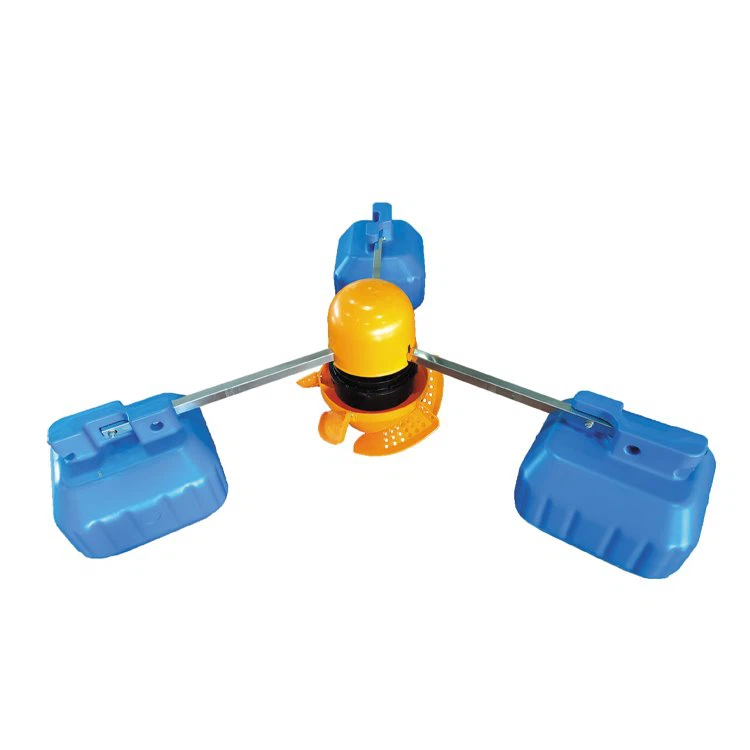
As a Fishery Machinery supplier, we understand the importance of reliable and long - lasting equipment. In addition to high - quality fish cleaning machines, we also offer a range of other essential fishery equipment, such as the 3HP Waterwheel Type Inverter Oxygenator, the Impeller Type Variable Frequency Aerator, and the Impeller Type Oxygenator. These products are designed with durability in mind and are built to withstand the demanding conditions of the fishery industry.
Conclusion
The lifespan of a typical fish cleaning machine is influenced by several factors, including build quality, frequency of use, maintenance, and operating conditions. By understanding these factors and taking appropriate measures to extend the machine's lifespan, you can ensure that your investment in fishery machinery pays off in the long run.
If you're in the market for a new fish cleaning machine or other fishery equipment, we're here to help. Our team of experts can provide you with detailed information about our products, offer advice on maintenance and operation, and assist you in finding the right equipment for your specific needs. Contact us today to start a procurement discussion and take your fishery operations to the next level.
References
- "Fishery Machinery Handbook", Industry Press, 20XX
- "Maintenance Guide for Seafood Processing Equipment", Seafood Industry Association, 20XX