

Hey there! As a supplier of Pressure Control Switches, I often get asked a bunch of questions about these nifty devices. One question that pops up quite a bit is, "Can a Pressure Control Switch be installed vertically?" Well, let's dive right into it and find out.
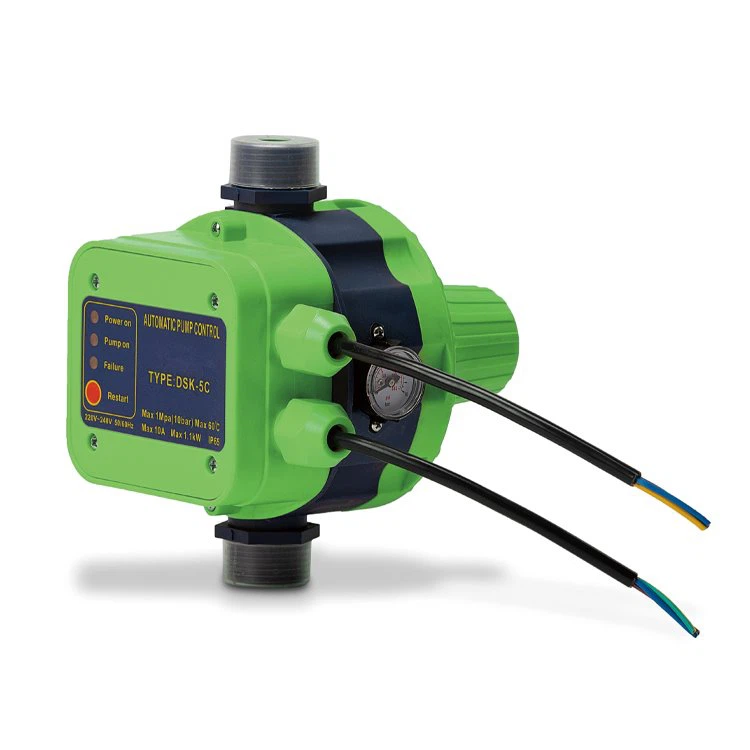
First off, let's understand what a Pressure Control Switch does. It's a crucial component in many systems, especially those related to water pumps. This little device monitors the pressure in a system and can turn equipment on or off based on pre - set pressure levels. You can check out more about Pressure Control Switch on our website.
Now, back to the main question. The short answer is, in most cases, yes, a Pressure Control Switch can be installed vertically. But, like with most things, there are some factors to consider.
Advantages of Vertical Installation
One of the big advantages of vertical installation is space utilization. In some setups, especially in tight areas, mounting the switch vertically can save a ton of space. It allows for a more compact and organized installation, which is great for systems where space is at a premium.
Another benefit is related to drainage. When installed vertically, any condensation or small amounts of liquid that might accumulate inside the switch can drain out more easily. This can help prevent corrosion and other issues that could affect the switch's performance over time.
Disadvantages of Vertical Installation
However, there are also some potential downsides. One of the main concerns is the effect on the internal components. Some Pressure Control Switches have moving parts, like diaphragms or springs. When installed vertically, the force of gravity can have an impact on these parts. For example, a spring might compress or expand slightly differently than it would in a horizontal installation. This could potentially lead to inaccurate pressure readings or a shorter lifespan for the switch.
Also, vibration can be a bigger problem in vertical installations. If the system experiences a lot of vibration, the switch might be more prone to damage when mounted vertically. The vibrations can cause the internal components to rattle and wear out faster.

Compatibility with Different Types of Switches
Not all Pressure Control Switches are created equal. Some are designed specifically to be installed vertically, while others are more suited for horizontal installation.
For Adjustable Pressure Controller, the vertical installation might be a bit more forgiving. These controllers often have more advanced calibration mechanisms that can compensate for the effects of gravity and other factors. They are also generally more robust and can handle different installation orientations better.
On the other hand, Automatic Mechanical Switch might be more sensitive to the installation angle. These switches rely on simple mechanical movements, and any deviation from the recommended installation can have a significant impact on their performance.
Installation Tips
If you've decided to install a Pressure Control Switch vertically, here are some tips to ensure a successful installation.
First, make sure to read the manufacturer's instructions carefully. They will usually provide specific guidelines on vertical installation, including any special considerations or adjustments that need to be made.
Next, use the right mounting hardware. Make sure the switch is securely fastened to prevent any movement or vibration. A loose switch can lead to inaccurate readings and potential damage.
Also, consider the location of the switch. Avoid areas where it might be exposed to excessive heat, moisture, or vibration. These factors can all affect the switch's performance, regardless of the installation orientation.
Testing and Calibration
After installing the switch vertically, it's crucial to test and calibrate it. This will ensure that it's functioning correctly and providing accurate pressure readings. You can use a pressure gauge to compare the readings from the switch with the actual pressure in the system. If there are any discrepancies, you may need to adjust the switch's settings.
It's also a good idea to monitor the switch's performance over time. Check for any signs of wear, corrosion, or inaccurate readings. If you notice any issues, it might be necessary to re - calibrate the switch or even replace it.
When to Avoid Vertical Installation
There are certain situations where vertical installation is definitely not recommended. If the switch is part of a high - precision system where even the slightest deviation in pressure readings can cause problems, it's best to stick with a horizontal installation.
Also, if the system experiences extreme vibrations or shock, a vertical installation might not be suitable. The switch could be damaged easily, leading to costly repairs or system failures.
Conclusion
So, can a Pressure Control Switch be installed vertically? The answer is yes, but with some caveats. It's important to weigh the advantages and disadvantages, consider the type of switch you're using, and follow the proper installation and calibration procedures.
If you're still unsure about whether a vertical installation is right for your system, don't hesitate to reach out to us. We're here to help you make the best decision for your specific needs. Whether you need an Adjustable Pressure Controller, an Automatic Mechanical Switch, or a standard Pressure Control Switch, we have a wide range of products to choose from.
If you're interested in purchasing any of our Pressure Control Switches or have any questions about installation or compatibility, feel free to get in touch. We'd love to have a chat and help you find the perfect solution for your system.
References
- Manufacturer's manuals for Pressure Control Switches
- Industry standards and guidelines for switch installation
- Technical papers on the effects of installation orientation on switch performance