

Hey there! As a supplier of Airbag Pressure Tanks, I've seen my fair share of issues that can crop up during storage. In this blog, I'm gonna walk you through the signs of degradation in an airbag pressure tank while it's just sitting there in storage.
Rust and Corrosion
One of the most obvious signs of degradation is rust and corrosion. Airbag pressure tanks are often made of metal, and when they're exposed to moisture over time, rust can start to form. You might notice small orange or brown spots on the surface of the tank. These spots can spread quickly, eating away at the metal and weakening the structure of the tank.
Rust doesn't just look bad; it can also compromise the integrity of the tank. As the metal corrodes, it becomes thinner and more prone to cracking. This can lead to leaks, which are a huge safety hazard. If you see any signs of rust on your airbag pressure tank, it's important to take action right away. You can try to remove the rust with a wire brush or sandpaper, but if the corrosion is severe, you might need to replace the tank.
Dents and Dings
Another sign of degradation is dents and dings. During storage, airbag pressure tanks can get bumped or knocked around, causing dents in the metal. These dents might seem minor at first, but they can actually have a big impact on the performance of the tank.
A dent can change the shape of the tank, which can affect the pressure distribution inside. This can lead to uneven wear and tear on the tank, increasing the risk of failure. If you notice any dents or dings on your airbag pressure tank, it's a good idea to have it inspected by a professional. They can determine if the damage is serious enough to require replacement.
Leaks
Leaks are a major red flag when it comes to airbag pressure tank degradation. You might notice a hissing sound coming from the tank, or you might see a small pool of liquid or gas around the base of the tank. Leaks can be caused by a variety of factors, including rust, dents, or faulty seals.
If you suspect a leak in your airbag pressure tank, it's crucial to stop using it immediately. Leaks can lead to a loss of pressure, which can prevent the airbag from deploying properly in an emergency. You should have the tank inspected and repaired by a qualified technician as soon as possible.
Changes in Pressure
Monitoring the pressure of your airbag pressure tank is an important part of storage maintenance. If you notice a significant drop in pressure over time, it could be a sign of degradation. There are a few reasons why the pressure might drop. It could be due to a leak, as mentioned earlier, or it could be because the tank is losing its ability to hold pressure.
You can use a pressure gauge to check the pressure of your airbag pressure tank regularly. If you notice a consistent decrease in pressure, it's a good idea to have the tank checked out. A professional can determine the cause of the pressure drop and recommend the appropriate course of action.
Faulty Components
Airbag pressure tanks have several components, such as valves and switches, that can degrade over time. For example, the Pressure Control Switch is responsible for regulating the pressure inside the tank. If this switch starts to malfunction, it can cause the pressure to fluctuate or remain at an unsafe level.
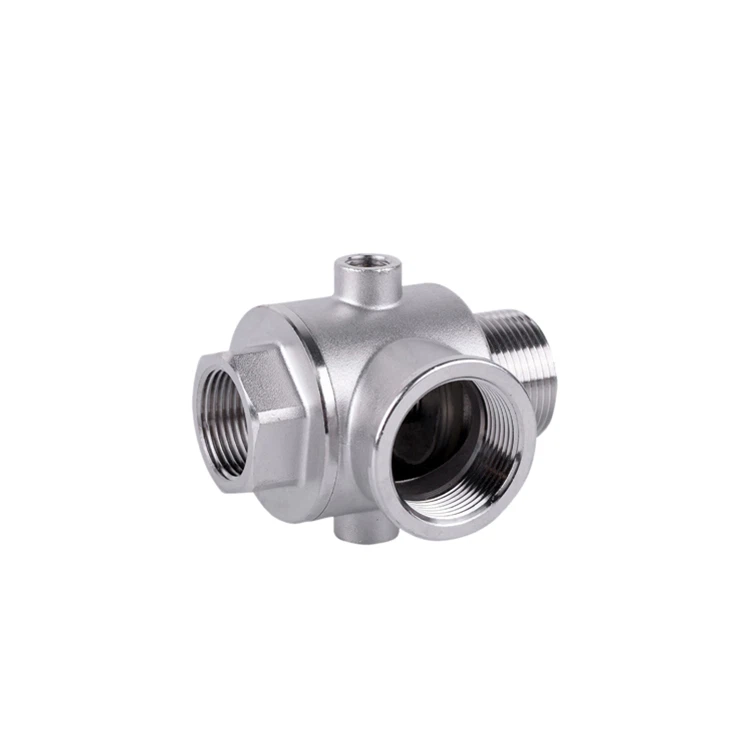
Similarly, the Stainless Steel Five-way Check Valve helps to prevent backflow and maintain the proper flow of gas or liquid in the tank. If this valve becomes clogged or damaged, it can affect the performance of the tank.
The Pump Pressure Switch is another important component. It controls the operation of the pump that fills the airbag pressure tank. If this switch fails, the tank might not fill properly or might overfill, leading to potential safety issues.
If you notice any problems with these components, such as unusual noises, erratic behavior, or difficulty in operation, it's important to have them replaced. Using a tank with faulty components can be extremely dangerous and can increase the risk of a serious accident.
How to Prevent Degradation
Now that you know the signs of degradation, let's talk about how to prevent it. First of all, make sure to store your airbag pressure tanks in a dry, cool place. Moisture is one of the biggest enemies of metal tanks, so keeping them away from damp environments can help prevent rust and corrosion.
You should also handle the tanks carefully during storage and transportation. Avoid dropping or bumping them, as this can cause dents and damage. If possible, store the tanks in a protective container or rack to prevent them from getting knocked around.
Regular maintenance is also key. Check the tanks for signs of rust, dents, and leaks on a regular basis. Inspect the components, such as valves and switches, to make sure they're working properly. If you notice any issues, address them right away to prevent further degradation.

Conclusion
In conclusion, being aware of the signs of degradation in an airbag pressure tank during storage is crucial for ensuring safety. Rust, dents, leaks, changes in pressure, and faulty components are all indicators that something might be wrong with the tank. By monitoring your tanks regularly and taking preventive measures, you can extend their lifespan and reduce the risk of failure.
If you're in the market for high-quality airbag pressure tanks or need replacement components, don't hesitate to reach out. We're here to provide you with the best products and support to keep your airbag systems in top condition. Let's start a conversation about your specific needs and find the right solutions for you.
References
- Automotive Safety Standards Handbook
- Airbag Pressure Tank Manufacturer's Guidelines