

Cleaning and disinfecting fishery machinery is crucial for maintaining its efficiency, prolonging its lifespan, and ensuring the health of aquatic organisms. As a fishery machinery supplier, I understand the importance of proper maintenance and am here to share some practical tips on how to clean and disinfect your fishery equipment.
Why Clean and Disinfect Fishery Machinery?
Fishery machinery, such as aerators, pumps, and filters, is constantly exposed to water, organic matter, and various contaminants. Over time, these substances can accumulate on the surfaces of the machinery, leading to reduced performance, increased energy consumption, and potential breakdowns. Moreover, dirty machinery can harbor harmful bacteria, viruses, and parasites, which can pose a threat to the health of fish and other aquatic species.
Regular cleaning and disinfection can help prevent these problems by removing dirt, debris, and biofilms from the machinery's surfaces. It also helps to eliminate pathogens and reduce the risk of disease outbreaks in the fishpond or aquarium. By maintaining clean and disinfected fishery machinery, you can ensure optimal performance, reduce maintenance costs, and create a healthy environment for your aquatic animals.
Preparation Before Cleaning
Before you start cleaning and disinfecting your fishery machinery, it is important to take some necessary precautions to ensure your safety and the proper functioning of the equipment. Here are some steps to follow:
- Turn off the power: Make sure to turn off the power supply to the machinery before you start cleaning. This will prevent any electrical accidents and ensure your safety.
- Drain the water: If the machinery is filled with water, drain it completely before cleaning. This will make it easier to access the internal components and remove any debris or sediment.
- Gather the necessary tools and supplies: You will need a variety of tools and supplies for cleaning and disinfecting your fishery machinery, including a soft brush, a sponge, a bucket, a mild detergent, a disinfectant solution, and protective gloves.
- Read the manufacturer's instructions: Before you start cleaning, read the manufacturer's instructions carefully to understand the specific cleaning and maintenance requirements of your machinery. This will help you avoid damaging the equipment and ensure its proper functioning.
Cleaning the Exterior of the Machinery
The exterior of the fishery machinery is often exposed to dirt, dust, and other contaminants. Cleaning the exterior regularly can help prevent corrosion, rust, and other damage. Here are some steps to clean the exterior of your machinery:
- Remove loose dirt and debris: Use a soft brush or a dry cloth to remove any loose dirt, dust, or debris from the exterior of the machinery. Pay special attention to the corners, edges, and crevices where dirt can accumulate.
- Wash the exterior with a mild detergent: Mix a mild detergent with water in a bucket and use a sponge or a soft brush to wash the exterior of the machinery. Make sure to rinse the detergent thoroughly with clean water to avoid leaving any residue.
- Dry the exterior: Use a dry cloth or a towel to dry the exterior of the machinery completely. This will prevent water from accumulating and causing rust or corrosion.
Cleaning the Internal Components
The internal components of the fishery machinery, such as the impeller, the motor, and the filter, are often exposed to water, organic matter, and other contaminants. Cleaning the internal components regularly can help prevent clogs, reduce energy consumption, and ensure the proper functioning of the equipment. Here are some steps to clean the internal components of your machinery:
- Disassemble the machinery: If possible, disassemble the machinery to access the internal components. Make sure to keep track of the parts and their order to ensure proper reassembly.
- Remove dirt and debris: Use a soft brush or a compressed air gun to remove any dirt, debris, or sediment from the internal components. Pay special attention to the impeller, the motor, and the filter, which are often the most vulnerable to clogging.
- Soak the components in a disinfectant solution: Prepare a disinfectant solution according to the manufacturer's instructions and soak the internal components in the solution for the recommended time. This will help eliminate any bacteria, viruses, or parasites that may be present on the components.
- Rinse the components thoroughly: After soaking the components in the disinfectant solution, rinse them thoroughly with clean water to remove any residue. Make sure to dry the components completely before reassembling the machinery.
Disinfecting the Machinery
Disinfecting the fishery machinery is an important step in preventing the spread of diseases and ensuring the health of your aquatic animals. Here are some steps to disinfect your machinery:
- Choose the right disinfectant: There are many different types of disinfectants available on the market, each with its own advantages and disadvantages. Choose a disinfectant that is suitable for your fishery machinery and the type of contaminants you are dealing with.
- Prepare the disinfectant solution: Follow the manufacturer's instructions to prepare the disinfectant solution. Make sure to use the correct concentration of the disinfectant to ensure its effectiveness.
- Apply the disinfectant solution: Use a spray bottle or a sponge to apply the disinfectant solution to the surfaces of the machinery. Make sure to cover all the surfaces, including the interior and exterior of the equipment.
- Let the disinfectant solution sit: Allow the disinfectant solution to sit on the surfaces of the machinery for the recommended time. This will give the disinfectant enough time to kill any bacteria, viruses, or parasites that may be present.
- Rinse the machinery thoroughly: After the recommended time has passed, rinse the machinery thoroughly with clean water to remove any residue. Make sure to dry the machinery completely before using it again.
Maintenance Tips
In addition to regular cleaning and disinfection, there are some other maintenance tips that can help prolong the lifespan of your fishery machinery and ensure its proper functioning. Here are some tips to follow:

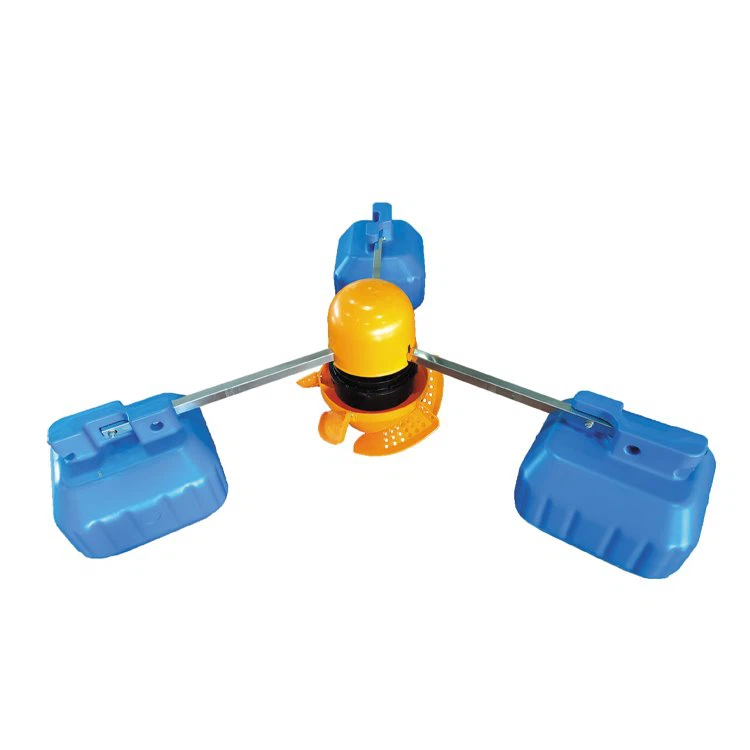
- Inspect the machinery regularly: Check the machinery regularly for any signs of damage, wear, or malfunction. Replace any worn or damaged parts immediately to prevent further damage.
- Lubricate the moving parts: Lubricate the moving parts of the machinery, such as the bearings, the gears, and the shafts, regularly to reduce friction and wear. Use a lubricant that is suitable for your machinery and the type of environment it is operating in.
- Store the machinery properly: When not in use, store the machinery in a dry, clean, and well-ventilated area. Make sure to cover the machinery to protect it from dust, dirt, and moisture.
- Follow the manufacturer's instructions: Always follow the manufacturer's instructions for operating, maintaining, and servicing your fishery machinery. This will help ensure its proper functioning and prevent any damage or breakdowns.
Conclusion
Cleaning and disinfecting fishery machinery is an important part of maintaining its efficiency, prolonging its lifespan, and ensuring the health of your aquatic animals. By following the tips and guidelines outlined in this blog post, you can keep your fishery machinery clean, disinfected, and in good working condition.
As a fishery machinery supplier, we offer a wide range of high-quality fishery equipment, including Impeller Type Oxygenator, 3HP Waterwheel Type Inverter Oxygenator, and Impeller Type Variable Frequency Aerator. Our products are designed to meet the needs of different fishery operations and are backed by our excellent customer service and technical support.
If you are interested in purchasing fishery machinery or have any questions about cleaning and disinfecting your equipment, please feel free to contact us. We will be happy to assist you and provide you with the information and support you need.
References
- Smith, J. (2020). Fishery Machinery Maintenance Guide. Fishery Equipment Press.
- Johnson, A. (2019). Cleaning and Disinfecting Aquatic Equipment. Aquaculture Journal, 35(2), 123-132.
- Brown, C. (2018). Best Practices for Maintaining Fishery Machinery. Fishery Management Review, 22(3), 45-56.