

When it comes to selecting the right inverter for your specific needs, it's a decision that requires careful consideration. As an inverter supplier, I've encountered numerous customers facing the challenge of making the best choice. In this blog, I'll guide you through the key factors to consider and help you understand how to pick the ideal inverter for your situation.
Understanding Your Power Requirements
The first step in choosing an inverter is to determine your power needs. This involves calculating the total wattage of all the devices you plan to run simultaneously. For example, if you're looking to power basic household appliances like a refrigerator, a few lights, and a small TV, you'll have a different power requirement compared to someone who wants to run power - hungry tools such as power saws or air conditioners.
To calculate the wattage, check the labels on your devices. Most electrical appliances have a label that indicates their power consumption in watts. Add up the wattages of all the devices you'll be using at the same time. It's also important to consider the startup or surge wattage. Some devices, like motors in refrigerators or air conditioners, require a higher amount of power to start up than they do to run continuously. Make sure your inverter can handle this surge.
Types of Inverters
There are several types of inverters available in the market, each with its own characteristics and suitable applications.
Modified Sine Wave Inverters
These are the most common and affordable type of inverters. They produce a modified sine wave output, which is not as smooth as a pure sine wave. While they can power most basic electrical devices, some sensitive electronics like laptops, audio equipment, and medical devices may not work properly or may be damaged over time. Modified sine wave inverters are a good choice for simple applications where cost is a major concern, such as powering basic lights or small fans.
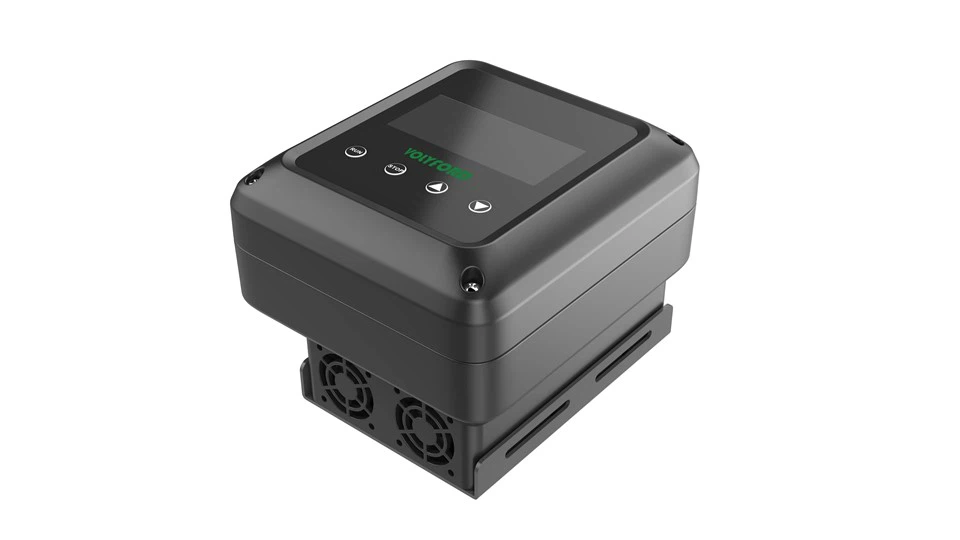

Pure Sine Wave Inverters
Pure sine wave inverters produce an output that is almost identical to the electricity supplied by the grid. They are more expensive than modified sine wave inverters but are essential for powering sensitive electronics. If you have devices like computers, high - end audio systems, or medical equipment, a pure sine wave inverter is the way to go. It ensures that your devices operate efficiently and without any interference.
Square Wave Inverters
Square wave inverters are the least common type. They produce a square - shaped waveform, which is the simplest form of AC output. However, they are not suitable for most modern electronics as they can cause overheating and damage to devices. They are mainly used in very basic applications where cost is extremely low and the devices are not sensitive to the quality of the power supply.
Inverter Capacity
The capacity of an inverter is measured in watts. It's crucial to choose an inverter with a capacity that matches your power requirements. If you choose an inverter with a capacity that is too low, it will not be able to power all your devices, and it may overheat and get damaged. On the other hand, an inverter with a capacity that is too high will be more expensive and may not operate at its optimal efficiency.
For example, if your total power requirement (including surge wattage) is 1000 watts, you should choose an inverter with a capacity of at least 1000 watts or slightly higher. It's always a good idea to leave some headroom for future expansion or unexpected power needs.
Battery Compatibility
Inverters are usually connected to batteries to provide a source of DC power. It's important to ensure that the inverter is compatible with the type and voltage of your batteries. Common battery voltages are 12V, 24V, and 48V. Make sure your inverter is designed to work with the specific battery voltage you have.
Also, consider the battery capacity. A larger battery capacity will allow your inverter to run for a longer time. If you plan to use your inverter for extended periods without recharging the batteries, you'll need a battery with a high amp - hour (Ah) rating.
Brand and Quality
When choosing an inverter, it's important to consider the brand and the quality of the product. A well - known and reputable brand is more likely to offer a reliable and high - quality inverter. Look for brands that have a good track record in the industry and positive customer reviews.
Quality inverters are built with better components and are more likely to last longer and perform better. They also come with better warranties, which gives you peace of mind in case something goes wrong.
Special Features
Some inverters come with special features that can enhance their functionality and usability.
Remote Control
A remote control allows you to turn the inverter on and off, adjust the settings, and monitor the performance from a distance. This can be very convenient, especially if the inverter is installed in a hard - to - reach location.
Overload Protection
Overload protection is a crucial feature that automatically shuts off the inverter if the power demand exceeds its capacity. This protects the inverter and your devices from damage.
Low - Voltage and High - Voltage Protection
These features protect the inverter and the batteries from damage due to low or high voltage conditions. They ensure that the inverter operates within the safe voltage range.
Application - Specific Considerations
Depending on your specific application, there may be additional factors to consider.
Home Use
For home use, you'll need to consider the overall power requirements of your household appliances. You may also want to choose an inverter that is quiet, as it will be running in your living environment. A pure sine wave inverter is usually recommended for home use to ensure the proper operation of sensitive electronics. You can explore options like the LCD New Inverter which offers good performance for home applications.
RV and Marine Use
In RVs and boats, space is limited, so you'll need a compact and lightweight inverter. You'll also need to consider the power requirements of the appliances you'll be using on board, such as refrigerators, lights, and entertainment systems. The inverter should be able to withstand the vibrations and harsh conditions of the marine or RV environment. The Inverter With Float Switch can be a great option for marine applications as it may have features suitable for such environments.
Industrial Use
In industrial settings, the power requirements are usually much higher. You'll need a heavy - duty inverter that can handle large loads and continuous operation. Three - phase inverters are often used in industrial applications to power machinery and equipment. The New LCD Three - phase Inverter is designed to meet the high - power demands of industrial applications.
Conclusion
Choosing the right inverter for your needs is a complex decision that requires careful consideration of several factors. By understanding your power requirements, the types of inverters available, the battery compatibility, and the special features, you can make an informed choice.
As an inverter supplier, I'm here to help you find the perfect inverter for your specific situation. If you have any questions or need further assistance in selecting the right inverter, feel free to contact me. We can discuss your requirements in detail and provide you with the best options available. Whether you're a homeowner, an RV enthusiast, or an industrial user, we have the expertise and the products to meet your needs. Let's work together to find the ideal inverter for you.
References
- "Power Electronics: Converters, Applications, and Design" by Ned Mohan, Tore M. Undeland, and William P. Robbins.
- "Electric Power Systems: A Conceptual Introduction" by Richard H. Lasseter.