

In the world of water pump systems, the water pump switch stands as a critical component, playing a pivotal role in ensuring the smooth and efficient operation of the entire setup. One of the most challenging scenarios that a water pump switch may encounter is a low - voltage situation. As a trusted water pump switch supplier, I have witnessed firsthand the importance of understanding how these switches handle such conditions. In this blog, we will delve into the mechanisms and strategies that water pump switches employ to deal with low - voltage scenarios.
Understanding Low - Voltage Situations in Water Pump Systems
Before we explore how water pump switches handle low - voltage situations, it is essential to understand what low - voltage means in the context of water pump systems. Low voltage typically occurs when the electrical supply to the pump falls below the recommended operating voltage. This can happen due to various reasons, such as long power lines, overloaded circuits, or problems with the local power grid.
When a water pump operates under low - voltage conditions, it can face several issues. The pump motor may draw more current to compensate for the reduced voltage, which can lead to overheating. Overheating not only shortens the lifespan of the motor but also increases the risk of electrical fires. Additionally, the pump may not be able to generate enough pressure to pump water effectively, resulting in reduced water flow or even complete failure of the system.
How Water Pump Switches Detect Low - Voltage
Modern water pump switches are equipped with advanced sensors and control mechanisms that allow them to detect low - voltage situations accurately. These switches continuously monitor the electrical supply to the pump and compare it with the set operating voltage range.
One common method of voltage detection is through the use of voltage - sensing circuits. These circuits measure the voltage across the power terminals of the pump and send a signal to the switch's control unit. If the measured voltage falls below a certain threshold, the control unit activates the appropriate response mechanism.
Some water pump switches also use microcontrollers to analyze the voltage data. These microcontrollers can perform complex calculations and algorithms to determine the severity of the low - voltage situation. For example, they can calculate the rate of voltage drop over time and predict whether the situation is likely to improve or worsen.
Response Mechanisms of Water Pump Switches in Low - Voltage Situations
Once a water pump switch detects a low - voltage situation, it can employ several response mechanisms to protect the pump and ensure the safety of the system.
Automatic Shut - Off
One of the most common response mechanisms is automatic shut - off. When the switch detects that the voltage has dropped below a critical level, it immediately cuts off the power supply to the pump. This prevents the pump motor from drawing excessive current and overheating. Automatic shut - off is a crucial safety feature that can prevent damage to the pump and reduce the risk of electrical hazards.
Alarm Activation
In addition to automatic shut - off, some water pump switches are equipped with alarm systems. When a low - voltage situation is detected, the switch activates an alarm, which can be in the form of a visual indicator (such as a flashing light) or an audible signal (such as a buzzer). The alarm alerts the user to the problem, allowing them to take appropriate action, such as checking the power supply or contacting an electrician.
Voltage Compensation
Some advanced water pump switches are capable of voltage compensation. These switches use built - in voltage regulators or transformers to adjust the voltage supplied to the pump. When a low - voltage situation is detected, the switch increases the voltage output to the pump to maintain the recommended operating voltage. This ensures that the pump can continue to operate effectively even under low - voltage conditions.
Different Types of Water Pump Switches and Their Low - Voltage Handling Capabilities
There are several types of water pump switches available in the market, each with its own unique features and capabilities when it comes to handling low - voltage situations.
Water Pump Pressure Control Switch
Water pump pressure control switches are designed to turn the pump on and off based on the water pressure in the system. These switches are commonly used in residential and commercial water supply systems. In low - voltage situations, pressure control switches can detect the reduced pressure caused by the pump's inability to operate at full capacity. Some pressure control switches are equipped with low - voltage protection features that can shut off the pump when the voltage drops below a certain level.

Water Pump Electronic Pressure Switch
Electronic pressure switches offer more advanced features compared to traditional pressure control switches. They use electronic sensors and microcontrollers to provide precise control of the pump. In low - voltage situations, electronic pressure switches can quickly detect the change in voltage and adjust the pump's operation accordingly. They can also provide real - time data on the voltage and pressure levels, allowing users to monitor the system's performance closely.
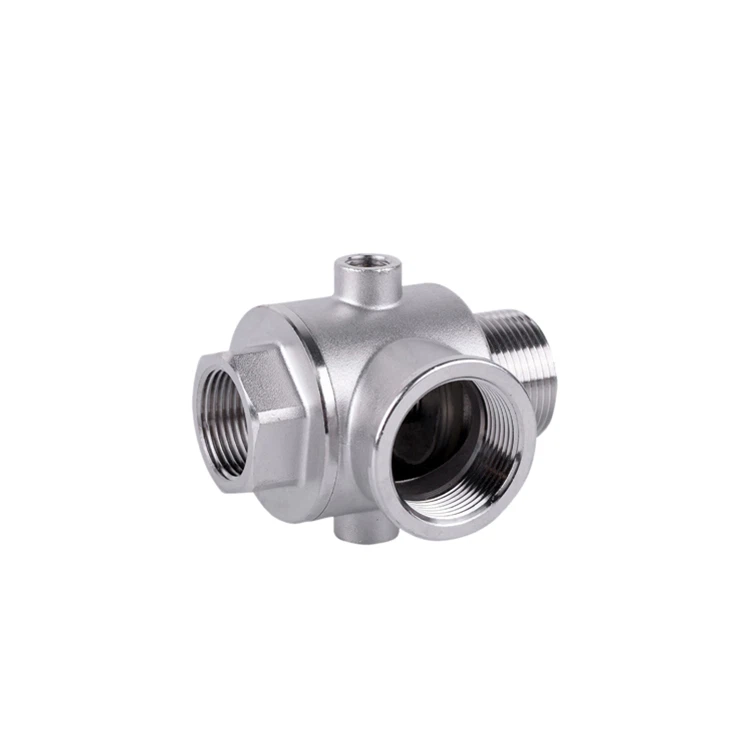
Stainless Steel Five - way Check Valve
Although not a traditional water pump switch, the stainless steel five - way check valve can also play a role in handling low - voltage situations. This valve is designed to control the flow of water in multiple directions and prevent backflow. In a low - voltage situation where the pump's pressure is reduced, the check valve can help maintain the water pressure in the system by preventing water from flowing back into the pump.
Importance of Choosing the Right Water Pump Switch for Low - Voltage Situations
Selecting the right water pump switch is crucial for ensuring the reliable operation of the water pump system, especially in low - voltage situations. When choosing a water pump switch, several factors should be considered.
First, the switch should have a wide operating voltage range. This ensures that the switch can handle fluctuations in the electrical supply and continue to function properly even under low - voltage conditions. Second, the switch should be equipped with reliable low - voltage protection features, such as automatic shut - off and alarm activation. These features can help prevent damage to the pump and ensure the safety of the system.
Third, the switch should be compatible with the type of water pump and the specific requirements of the application. For example, a high - capacity industrial water pump may require a more robust and advanced switch compared to a small residential water pump.
Conclusion
In conclusion, water pump switches play a vital role in handling low - voltage situations in water pump systems. Through advanced voltage detection and response mechanisms, these switches can protect the pump from damage, ensure the safety of the system, and maintain the efficient operation of the water supply. As a water pump switch supplier, we are committed to providing high - quality switches that are designed to handle a wide range of operating conditions, including low - voltage situations.
If you are in the market for a water pump switch or need more information about how our switches can handle low - voltage scenarios, please feel free to contact us. Our team of experts will be happy to assist you in choosing the right switch for your specific needs and provide you with professional advice and support.
References
- "Electrical Engineering Handbook for Water Pump Systems", McGraw - Hill
- "Water Pump Switch Technology and Applications", Wiley - Interscience
- "Low - Voltage Protection in Industrial Electrical Systems", IEEE Press