

Hey there! As a supplier of pump pressure switches, I often get asked, "Where is the pump pressure switch located?" Well, let's dive right into it and explore this question in detail.
First off, it's important to understand what a pump pressure switch does. Simply put, it's a crucial component that controls when your pump turns on and off based on the water pressure in the system. It helps maintain a consistent water pressure, ensuring that you have a reliable water supply for all your needs, whether it's for your home, a commercial building, or an industrial setup.
Now, let's talk about the common locations where you can find a pump pressure switch. In most residential water systems, the pump pressure switch is usually located near the pressure tank. The pressure tank acts as a buffer, storing water under pressure. The switch is connected to the tank via a small pipe or tube. This setup allows the switch to monitor the pressure inside the tank accurately. When the water pressure drops below a certain level, the switch signals the pump to turn on and start refilling the tank. Once the pressure reaches the preset upper limit, the switch tells the pump to stop.

In some cases, especially in older homes or systems with a shallow well pump, the pump pressure switch might be located right on the pump itself. This is more common with jet pumps, which are often used in shallow well applications. The switch is directly attached to the pump housing, making it easy to access and adjust. However, this location can also expose the switch to more wear and tear, as it's closer to the moving parts of the pump.
For larger commercial or industrial water systems, the pump pressure switch can be found in a control panel. These panels are designed to house multiple electrical components and provide a centralized location for monitoring and controlling the pump system. The switch is typically mounted on a DIN rail inside the panel, along with other switches, relays, and circuit breakers. This setup allows for easy installation, maintenance, and troubleshooting. The control panel is usually located in a dry, accessible area, away from the pump and other potentially hazardous equipment.
Another factor that can influence the location of the pump pressure switch is the type of pump being used. For example, submersible pumps are installed underground or underwater, so the pressure switch is usually located above ground, near the pressure tank or in the control panel. On the other hand, centrifugal pumps can be installed either horizontally or vertically, and the switch can be located in various positions depending on the specific design of the system.
It's also worth mentioning that some modern pump systems use electronic pressure sensors instead of traditional mechanical switches. These sensors are more accurate and reliable, and they can be located anywhere in the system as long as they can communicate with the pump controller. However, the basic principle remains the same: the sensor monitors the water pressure and sends a signal to the controller, which then decides when to turn the pump on or off.
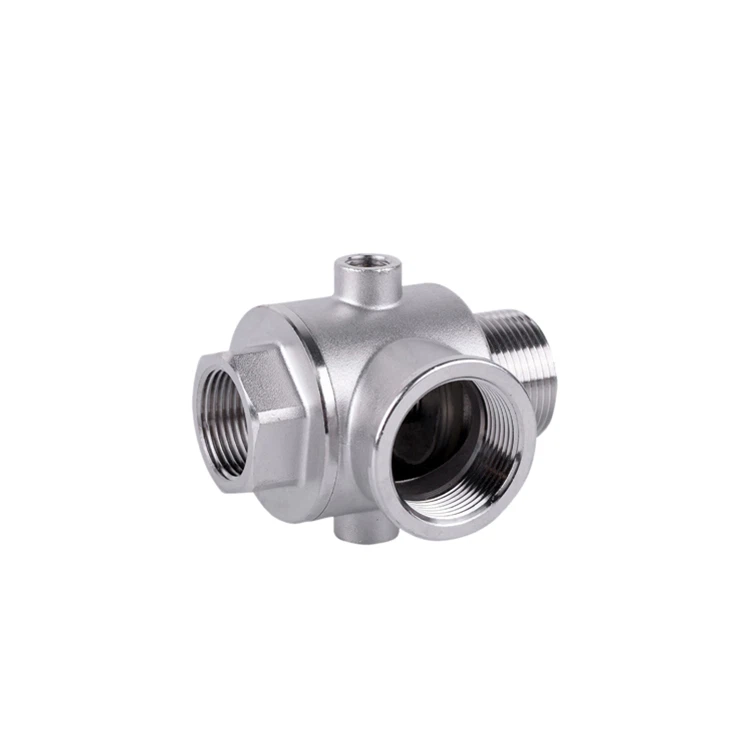
Now that we've covered the common locations of the pump pressure switch, let's talk about some important considerations when installing or replacing one. First of all, make sure you choose the right switch for your specific application. There are different types of switches available, each designed for a specific range of pressures and flow rates. You can check out our Stainless Steel Five-way Check Valve for a high-quality option that can handle a variety of water systems.
When installing the switch, follow the manufacturer's instructions carefully. Make sure to connect the wires correctly and tighten all the fittings to prevent leaks. It's also a good idea to test the switch before putting the system back into operation to ensure that it's working properly.
If you're having trouble finding the pump pressure switch in your system, don't worry. You can always refer to the system's manual or contact a professional plumber or technician for assistance. They have the expertise and tools to locate and troubleshoot any issues with the switch.
At our company, we offer a wide range of pump pressure switches to meet the needs of different applications. Whether you're looking for a Large Diameter Pump Switch for a high-capacity system or an Adjustable Pump Mechanical Switch for precise pressure control, we've got you covered. Our switches are made from high-quality materials and are designed to provide reliable performance for years to come.
If you're in the market for a new pump pressure switch or need to replace an existing one, we'd love to hear from you. Our team of experts is available to answer any questions you might have and help you choose the right switch for your system. Just reach out to us, and we'll work with you to find the best solution for your needs.
In conclusion, the location of the pump pressure switch depends on several factors, including the type of pump, the system design, and the application. By understanding these factors and following the proper installation and maintenance procedures, you can ensure that your pump system operates efficiently and reliably. So, if you're having any issues with your pump pressure switch or just want to learn more about our products, don't hesitate to get in touch. We're here to help you keep your water flowing smoothly.
References
- Water Pump Handbook, various authors
- Pump Systems Basics, industry publication