

A check valve, also known as a non - return valve or one - way valve, plays a crucial and often under - appreciated role in a water pump system. As a water pump supplier, I have witnessed firsthand how the proper functioning of check valves can significantly impact the performance, efficiency, and longevity of water pump systems.
The Basic Function of a Check Valve in a Water Pump System
At its core, the primary function of a check valve is to allow fluid (in this case, water) to flow in one direction only. In a water pump system, this unidirectional flow is essential for several reasons. When the pump is operating, it creates pressure to move water from a lower elevation or source to a higher elevation or destination. The check valve ensures that the water pumped by the pump continues to move forward in the desired direction and does not flow back into the pump when the pump stops.
For example, in a domestic water supply system where a water pump is used to draw water from a well, the check valve is installed near the pump outlet. When the pump starts, it pushes water through the valve and into the pipeline leading to the house. Once the pump stops, the check valve closes immediately, preventing the water in the pipeline from flowing back into the well. This not only saves energy but also protects the pump from potential damage that could be caused by reverse flow.

Preventing Water Hammer
Water hammer is a common and potentially damaging phenomenon in water pump systems. It occurs when the flow of water in a pipeline is suddenly stopped or reversed, causing a shock wave to travel through the system. This shock wave can generate extremely high pressures, which may lead to pipe bursts, valve failures, and damage to the pump itself.
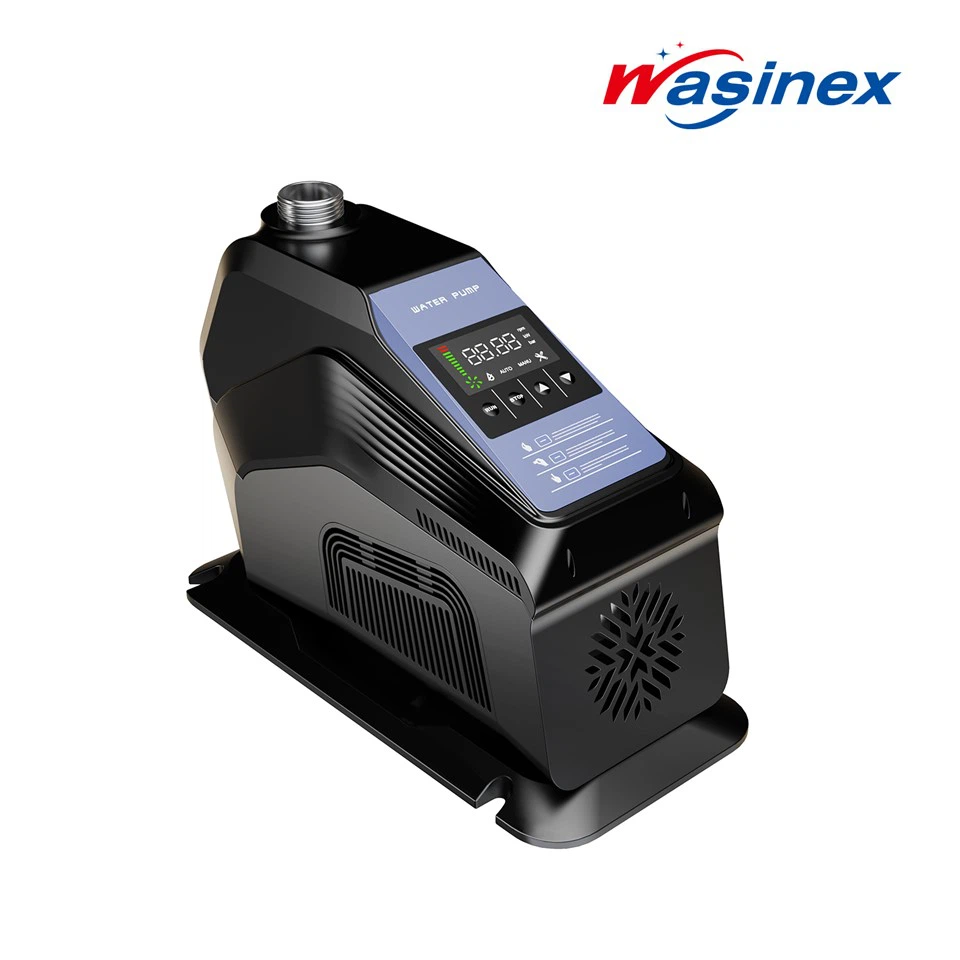
Check valves are an effective solution for preventing water hammer. By closing rapidly when the flow of water tries to reverse, they help to dampen the shock wave and reduce the pressure spikes associated with water hammer. For instance, in industrial water pump systems that operate at high pressures and flow rates, the proper selection and installation of check valves can significantly reduce the risk of water hammer - related damage. Our Factory Permanent Magnetic Frequency Conversion Pump can work in harmony with well - designed check valves to minimize such risks and ensure a stable water supply.
Maintaining Prime in Self - Priming Pumps
Self - priming pumps are designed to evacuate air from the suction line and create a vacuum to draw water into the pump. A check valve is an integral part of the self - priming process. It helps to maintain the prime of the pump by preventing the water in the suction line from draining back when the pump is not running.
Our Self - priming Permanent Magnetic Frequency Conversion Pump relies on a properly functioning check valve to ensure efficient self - priming. When the pump is shut off, the check valve closes, trapping water in the suction line. This allows the pump to quickly resume operation the next time it is started, without having to go through a lengthy priming process again.
Protecting the Pump from Backflow
Backflow can cause a variety of problems for water pumps. It can lead to the reversal of the impeller rotation, which may damage the pump's internal components. Additionally, backflow can introduce contaminants or sediment from the discharge side back into the pump, causing wear and tear on the pump's moving parts.
Check valves act as a barrier against backflow. They prevent the water from flowing back into the pump, thus protecting the pump from potential damage. In high - pressure water pump systems, such as those used in firefighting or large - scale irrigation, the protection provided by check valves is even more critical. Our High - power Self - priming Permanent Magnet Variable Frequency Pumps are often used in demanding applications, and the inclusion of reliable check valves is essential to ensure their long - term performance.
Types of Check Valves Used in Water Pump Systems
There are several types of check valves commonly used in water pump systems, each with its own advantages and applications.
Swing Check Valves
Swing check valves consist of a disc that swings on a hinge. When the water flows in the forward direction, the disc is pushed open by the force of the water. When the flow stops or reverses, the disc swings back to its closed position under the force of gravity and the reverse flow. Swing check valves are relatively simple in design and are suitable for low - to medium - pressure applications.
Lift Check Valves
Lift check valves use a disc that moves up and down in a vertical direction. The disc is lifted off its seat by the forward flow of water and drops back to close the valve when the flow stops or reverses. Lift check valves are often used in high - pressure applications where a tight seal is required.
Ball Check Valves
Ball check valves use a ball as the closing element. The ball is pushed off its seat by the forward flow of water and returns to its seat to close the valve when the flow stops or reverses. Ball check valves are compact and can provide a quick closing action, making them suitable for applications where water hammer is a concern.
Selecting the Right Check Valve for a Water Pump System
Selecting the right check valve for a water pump system is crucial for ensuring optimal performance. Several factors need to be considered, including the flow rate, pressure, temperature, and the type of fluid being pumped.
The flow rate of the water pump system determines the size of the check valve. A check valve that is too small may cause excessive pressure drop, while a check valve that is too large may not close properly. The pressure rating of the check valve should also match the maximum operating pressure of the pump system to ensure reliable operation.
The temperature of the water can also affect the performance of the check valve. For high - temperature applications, special materials may be required to prevent the valve from warping or losing its sealing ability. Additionally, if the water contains contaminants or abrasive particles, a check valve with a more robust design and wear - resistant materials may be necessary.
Installation and Maintenance of Check Valves
Proper installation of check valves is essential for their effective operation. They should be installed in the correct orientation, with the arrow on the valve body indicating the direction of flow. Check valves should also be installed in a location where they are easily accessible for inspection and maintenance.
Regular maintenance of check valves is also important. This includes inspecting the valve for signs of wear, damage, or leakage. The valve should be cleaned periodically to remove any debris or sediment that may accumulate on the valve seat or the closing element. If any problems are detected, the check valve should be repaired or replaced promptly to prevent further damage to the water pump system.
Conclusion
In conclusion, the check valve is an indispensable component of a water pump system. It plays a vital role in ensuring the proper flow of water, preventing water hammer, maintaining prime in self - priming pumps, and protecting the pump from backflow. As a water pump supplier, we understand the importance of providing high - quality check valves that are compatible with our pumps. By selecting the right check valve, installing it correctly, and performing regular maintenance, you can ensure the efficient and reliable operation of your water pump system.
If you are interested in purchasing water pumps or need advice on selecting the appropriate check valves for your water pump system, we invite you to contact us for procurement discussions. Our team of experts is ready to assist you in finding the best solutions for your specific needs.
References
- Crane, D. S. (2009). Flow of Fluids Through Valves, Fittings, and Pipe. Technical Paper No. 410M. Crane Co.
- Karassik, I. J., Messina, J. P., Cooper, P. T., & Heald, C. C. (2008). Pump Handbook. McGraw - Hill.
- Miller, D. S. (2003). Internal Flow Systems: Design and Performance Prediction. BHRA Fluid Engineering.