

Ultrasonic liquid level sensors are essential devices in various industries, offering accurate and reliable level measurement solutions. As a leading Liquid Level Sensor supplier, I am excited to delve into the details of what an ultrasonic liquid level sensor is, how it works, its applications, advantages, and limitations.
What is an Ultrasonic Liquid Level Sensor?
An ultrasonic liquid level sensor is a non-contact device that uses ultrasonic waves to measure the distance between the sensor and the liquid surface. These sensors emit high-frequency sound waves (usually in the range of 20 kHz to 200 kHz) towards the liquid surface. When the sound waves hit the liquid surface, they are reflected back to the sensor. The sensor then measures the time it takes for the sound waves to travel to the liquid surface and back. Based on the speed of sound in the air and the measured time, the sensor calculates the distance to the liquid surface, which can be used to determine the liquid level.

How Does an Ultrasonic Liquid Level Sensor Work?
The working principle of an ultrasonic liquid level sensor is based on the time-of-flight (TOF) method. Here's a step-by-step breakdown of how it works:
-
Transmission: The sensor emits a short burst of ultrasonic waves towards the liquid surface. These waves travel through the air at a known speed (approximately 343 meters per second at room temperature).
-
Reflection: When the ultrasonic waves hit the liquid surface, a portion of the waves is reflected back towards the sensor. The rest of the waves are absorbed or transmitted through the liquid.
-
Reception: The sensor's receiver detects the reflected ultrasonic waves. The time elapsed between the transmission and reception of the waves is measured.
-
Calculation: Using the speed of sound in the air and the measured time, the sensor calculates the distance between the sensor and the liquid surface. The formula for calculating the distance is:
[d = \frac{v \times t}{2}]
where (d) is the distance to the liquid surface, (v) is the speed of sound in the air, and (t) is the time elapsed between the transmission and reception of the waves. The factor of 2 accounts for the round-trip distance of the sound waves.
-
Level Determination: Once the distance to the liquid surface is calculated, the sensor can determine the liquid level in the tank or container. This information can be displayed on a local indicator or transmitted to a control system for further processing.
Applications of Ultrasonic Liquid Level Sensors
Ultrasonic liquid level sensors are widely used in various industries due to their non-contact measurement method, high accuracy, and reliability. Some common applications include:
- Water and Wastewater Treatment: Ultrasonic sensors are used to monitor the water level in storage tanks, wells, and treatment plants. They help ensure proper water management, prevent overflow, and optimize the operation of pumps and valves.
- Chemical and Petrochemical Industry: These sensors are used to measure the level of chemicals, fuels, and other liquids in storage tanks and reactors. They provide accurate level information for inventory management, process control, and safety monitoring.
- Food and Beverage Industry: Ultrasonic sensors are used to monitor the liquid level in tanks and containers during the production, storage, and transportation of food and beverages. They help maintain consistent product quality and prevent spillage.
- Pharmaceutical Industry: In the pharmaceutical industry, ultrasonic sensors are used to measure the level of liquids in drug manufacturing processes, storage tanks, and filling machines. They ensure accurate dosing and prevent contamination.
- Automotive Industry: Ultrasonic sensors are used in automotive applications such as fuel level measurement, coolant level monitoring, and windshield washer fluid level detection. They provide reliable level information for vehicle operation and maintenance.
Advantages of Ultrasonic Liquid Level Sensors
Ultrasonic liquid level sensors offer several advantages over other types of level sensors, including:
- Non-Contact Measurement: Ultrasonic sensors do not come into contact with the liquid being measured, which eliminates the risk of contamination and corrosion. This makes them suitable for use in harsh environments and with corrosive or viscous liquids.
- High Accuracy: These sensors can provide accurate level measurements with a high degree of precision. They are capable of detecting small changes in liquid level, making them ideal for applications where precise level control is required.
- Wide Range of Measurement: Ultrasonic sensors can measure liquid levels over a wide range, from a few centimeters to several meters. This makes them suitable for use in various tank sizes and applications.
- Easy Installation and Maintenance: Ultrasonic sensors are relatively easy to install and require minimal maintenance. They can be mounted on the top of the tank or container, and the measurement process is non-invasive.
- Versatility: Ultrasonic sensors can be used to measure the level of various types of liquids, including water, oil, chemicals, and slurries. They can also be used in both open and closed containers.
Limitations of Ultrasonic Liquid Level Sensors
While ultrasonic liquid level sensors offer many advantages, they also have some limitations, including:
- Temperature and Humidity Effects: The speed of sound in the air is affected by temperature and humidity. Changes in these environmental conditions can cause errors in the level measurement. To compensate for these effects, some ultrasonic sensors are equipped with temperature and humidity sensors to adjust the measurement accordingly.
- Foam and Vapor Interference: Foam and vapor on the liquid surface can absorb or scatter the ultrasonic waves, causing inaccurate level measurements. In such cases, additional measures may be required, such as using a foam breaker or a vapor shield.
- Reflective Surfaces: Ultrasonic sensors rely on the reflection of sound waves from the liquid surface. If the liquid surface is highly reflective or has a complex shape, it may cause multiple reflections or signal interference, leading to inaccurate level measurements.
- Installation Requirements: Proper installation of ultrasonic sensors is crucial for accurate level measurement. The sensor should be mounted perpendicular to the liquid surface, and there should be no obstacles or obstructions in the path of the ultrasonic waves.
Related Products
As a Liquid Level Sensor supplier, we also offer a range of related products that can complement the use of ultrasonic liquid level sensors. These include:
- Industrial Plastic Expansion Tank: Our industrial plastic expansion tanks are designed to provide a reliable solution for storing and regulating the pressure of liquids in various applications. They are made from high-quality materials and are available in different sizes and configurations.
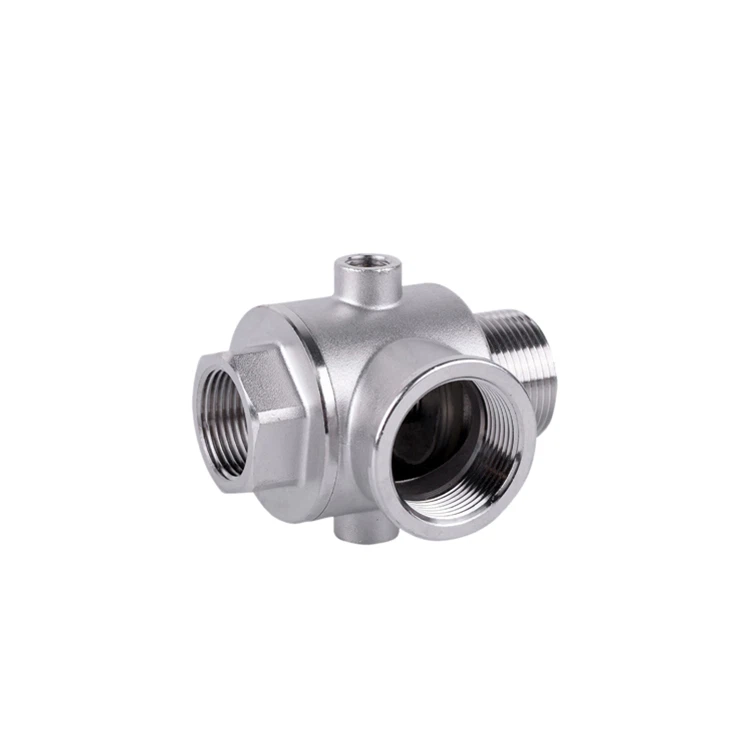
- Stainless Steel Five-way Check Valve: Our stainless steel five-way check valves are used to control the flow of liquids in pipelines. They are made from durable stainless steel and are designed to provide reliable performance in harsh environments.
- Pressure Sensor VLF-509: Our pressure sensor VLF-509 is a high-precision device that can be used to measure the pressure of liquids and gases. It is suitable for use in various applications, including industrial automation, process control, and HVAC systems.
Conclusion
Ultrasonic liquid level sensors are valuable tools for measuring the level of liquids in various industries. They offer non-contact measurement, high accuracy, and reliability, making them suitable for a wide range of applications. While they have some limitations, these can be overcome with proper installation, calibration, and maintenance. As a Liquid Level Sensor supplier, we are committed to providing high-quality ultrasonic liquid level sensors and related products to meet the needs of our customers. If you are interested in learning more about our products or have any questions, please feel free to contact us for procurement and negotiation.
References
- "Ultrasonic Level Sensors: Principles, Applications, and Advantages." Instrumentation Tools, [date of access].
- "Liquid Level Measurement Technologies." Emerson, [date of access].
- "Ultrasonic Level Sensors: How They Work and Their Applications." Sensors Magazine, [date of access].