

Hey there! As a supplier of Automatic Pump Control devices, I often get asked about the wiring requirements for these nifty gadgets. So, I thought I'd put together this blog post to break it all down for you.
First off, let's talk about why wiring is such a big deal. The right wiring ensures that your automatic pump control device works smoothly and safely. If the wiring is done wrong, you could end up with a pump that doesn't work properly, or even worse, you could be looking at some serious safety hazards.
Understanding the Basics of Automatic Pump Control Devices
Before we dive into the wiring requirements, let's quickly go over what an automatic pump control device is. These devices are designed to control the operation of a pump based on certain conditions, like water level or pressure. They can be used in a variety of applications, from residential water systems to industrial processes.
There are different types of automatic pump control devices, such as LCD Display Pump Switch, Liquid Level Sensor, and Water Pump Electronic Pressure Switch. Each type has its own specific wiring needs, but there are some general rules that apply to all of them.
General Wiring Requirements
Power Supply
The first thing you need to consider is the power supply. Most automatic pump control devices require a specific voltage and amperage to operate correctly. You'll need to make sure that the power source you're using can provide the right amount of power.
Typically, these devices are designed to work with standard household electrical systems, which are usually 120V or 240V in the United States. However, some industrial applications may require higher voltages. Always check the device's manual to find out the exact power requirements.
When wiring the power supply, it's crucial to follow the proper safety procedures. Use the right gauge of wire for the amperage, and make sure all connections are secure. Loose connections can cause overheating and potentially start a fire.
Grounding
Grounding is another important aspect of wiring. A proper ground connection helps protect the device and the people using it from electrical shocks. All automatic pump control devices should be grounded according to local electrical codes.
To ground the device, you'll need to connect a grounding wire to the grounding terminal on the device. This wire should then be connected to a reliable ground source, such as a grounding rod or the grounding system of your building.
Control Wiring
The control wiring is what allows the automatic pump control device to communicate with the pump and other components in the system. This wiring is typically low voltage and carries signals that tell the pump when to turn on and off.
The control wiring will vary depending on the type of device you're using. For example, a liquid level sensor may use a simple two-wire system to detect the water level and send a signal to the pump control device. On the other hand, a more complex electronic pressure switch may require multiple wires to communicate different pressure settings.
When wiring the control signals, it's important to keep the wires away from high-voltage power lines to avoid interference. You should also use shielded cables if possible to further reduce the risk of interference.
Wiring for Specific Types of Automatic Pump Control Devices
LCD Display Pump Switch
The LCD Display Pump Switch is a popular choice for many applications because it provides a clear visual display of the pump's status. When wiring this type of switch, you'll need to connect the power supply, the ground, and the control wires to the appropriate terminals.
The power supply wires should be connected to the input terminals marked for the correct voltage. The ground wire should be connected to the grounding terminal. The control wires will depend on how the switch is being used. For example, if it's controlling a pump based on water level, you'll need to connect the wires from the level sensor to the appropriate input terminals on the switch.
Liquid Level Sensor
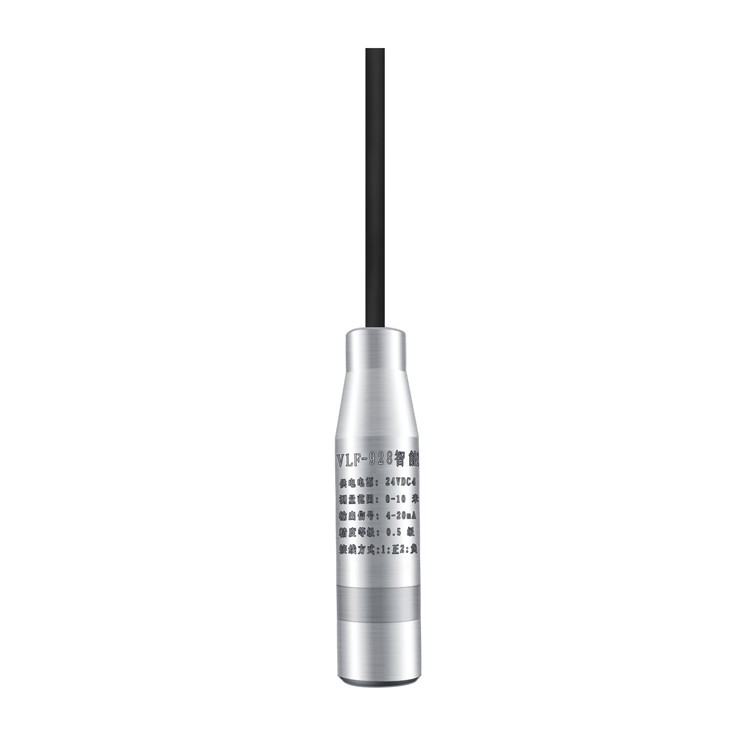
A Liquid Level Sensor is used to detect the level of liquid in a tank or container. The wiring for a liquid level sensor is relatively straightforward. You'll typically have two or three wires: a power wire, a ground wire, and a signal wire.
The power wire provides the necessary voltage to operate the sensor. The ground wire ensures a safe electrical connection. The signal wire carries the information about the liquid level to the pump control device.
When installing the liquid level sensor, make sure it's properly positioned in the tank so that it can accurately detect the water level. Also, make sure the wires are protected from damage, especially if they're exposed to water or other harsh conditions.
Water Pump Electronic Pressure Switch
The Water Pump Electronic Pressure Switch is used to control the pump based on the pressure in the water system. When wiring this type of switch, you'll need to connect the power supply, the ground, and the pressure sensing wires.
The power supply and ground connections are similar to those of other devices. The pressure sensing wires are connected to the pressure port on the switch. These wires transmit the pressure readings to the switch, which then determines when to turn the pump on and off.
It's important to calibrate the pressure switch correctly to ensure that it operates at the right pressure settings. This may involve adjusting some settings on the switch itself or using a calibration tool.
Testing and Troubleshooting
Once you've completed the wiring, it's a good idea to test the system before putting it into full operation. First, double-check all the connections to make sure they're secure and there are no loose wires.
Then, turn on the power supply and see if the automatic pump control device powers up correctly. Check the display on the device (if it has one) to make sure it's showing the correct information.
If the pump doesn't turn on or off as expected, there could be a problem with the wiring. Check the control signals to make sure they're being sent correctly. You may also need to check the power supply to make sure it's providing the right amount of power.

Conclusion
Wiring an automatic pump control device may seem like a daunting task, but if you follow the proper procedures and understand the requirements, it can be a relatively straightforward process. Remember to always refer to the device's manual for specific wiring instructions and to follow local electrical codes.
If you're still unsure about how to wire your automatic pump control device, don't hesitate to reach out to us. As a supplier of these devices, we have the expertise and experience to help you with any wiring questions or issues you may have. Whether you're a DIY enthusiast or a professional installer, we're here to support you.
If you're interested in purchasing our automatic pump control devices or need more information about our products, feel free to contact us for a detailed discussion. We can provide you with the best solutions for your specific needs and ensure that you get the most out of your pump control system.
References
- Electrical Wiring Handbook, Various Editions
- Manufacturer's Manuals for Automatic Pump Control Devices