

Hey there! I'm an inverter supplier, and today I'm stoked to chat about all the awesome applications of inverters. Inverters are like the unsung heroes of the electrical world, quietly doing their thing to make our lives a whole lot easier. So, let's dive in and explore where these nifty devices come in super handy.
Home Use
First up, let's talk about how inverters are a game - changer in our homes. You know those times when the power goes out? A home inverter is like your personal power backup system. It takes the DC (direct current) power stored in batteries and converts it into AC (alternating current) power that your household appliances can use.
For example, you can keep your lights on, charge your phone, or even run a small fridge during a blackout. It's a real lifesaver, especially in areas where power outages are common. And it's not just about emergencies. Some homeowners are also using inverters to integrate solar panels into their homes. Solar panels generate DC power, and an inverter converts that DC power into AC power that can be used in the house or fed back into the grid. This way, you can save on your electricity bills and do your bit for the environment.
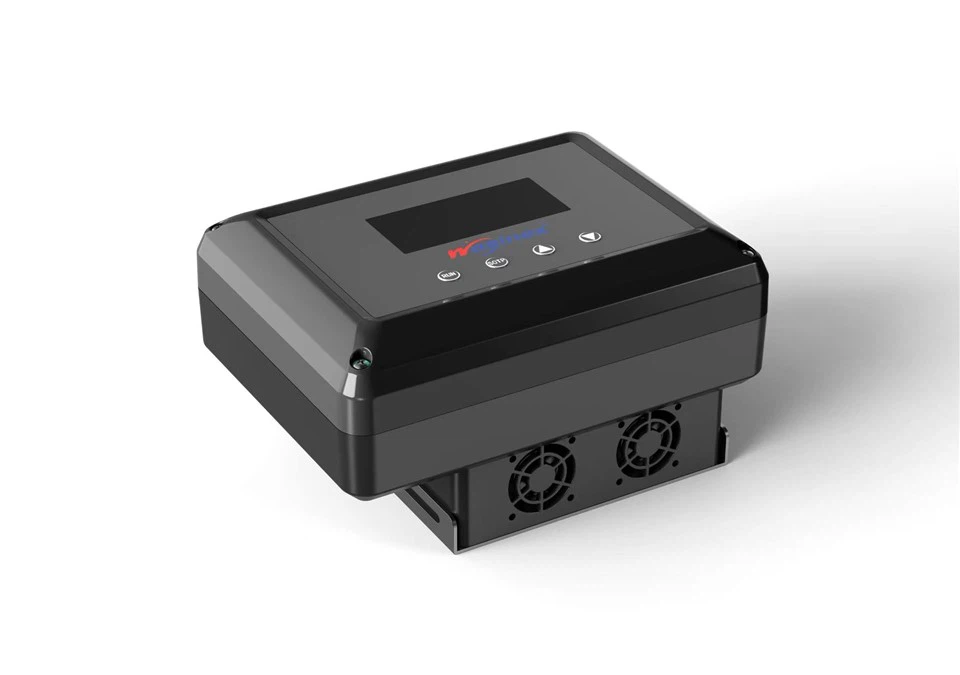
If you're looking for a great inverter for home use, check out our New Inverter For Single - phase Pumps. It's perfect for small - scale home applications and can handle a variety of single - phase loads.
Industrial Applications
In the industrial world, inverters are everywhere. One of the most common uses is in motor control. Motors are used in all sorts of industrial machinery, from conveyor belts to large manufacturing equipment. By using an inverter to control the speed of the motor, companies can save a ton of energy.
You see, traditional motors often run at a fixed speed, even when they don't need to. This wastes a lot of electricity. But with an inverter, you can adjust the motor's speed according to the actual load. For example, if a conveyor belt doesn't need to move as fast because there's less product on it, the inverter can slow down the motor, saving energy and reducing wear and tear on the equipment.
Another important industrial application is in power quality improvement. Inverters can help to regulate the voltage and frequency of the electrical supply, ensuring that the industrial equipment receives a stable and clean power source. This is crucial for sensitive equipment that can be damaged by power fluctuations.
Our New LCD Three - phase Inverter is a great choice for industrial applications. It offers precise motor control and excellent power quality regulation, making it a reliable option for factories and industrial plants.
Renewable Energy Systems
Renewable energy is the future, and inverters play a vital role in making it work. As I mentioned earlier, solar panels generate DC power. Without an inverter, that power can't be used in most of our electrical devices or fed into the grid. So, inverters are essential for solar power systems.
But it's not just solar. In wind turbines, inverters are also used to convert the variable - frequency AC power generated by the turbine into a stable, grid - compatible AC power. This allows the electricity produced by wind farms to be efficiently integrated into the power grid.
In addition, inverters in renewable energy systems often come with advanced features like maximum power point tracking (MPPT). MPPT technology helps to optimize the power output of solar panels or wind turbines by constantly adjusting the operating point to capture the maximum amount of energy from the sun or wind.
For renewable energy applications, our Inverter With Pump Leakage Detection is a great option. It not only converts power effectively but also has the added benefit of pump leakage detection, which can be very useful in some renewable energy setups.
Transportation
In the transportation sector, inverters are becoming increasingly important. Electric vehicles (EVs) rely on inverters to convert the DC power from the battery into AC power to drive the electric motor. This conversion process is crucial for the smooth and efficient operation of the vehicle.
In addition, inverters are also used in hybrid vehicles. Hybrid vehicles combine an internal combustion engine with an electric motor, and the inverter helps to manage the power flow between the battery, the electric motor, and the engine. This allows for better fuel efficiency and reduced emissions.

Even in public transportation, like trains and buses, inverters are used to power various electrical systems on board, such as lighting, air - conditioning, and charging stations for passengers' devices.
Agricultural Use
In the agricultural field, inverters have some really practical applications. For example, they are used in irrigation systems. Many agricultural pumps are powered by electric motors, and an inverter can control the speed of these motors. This means that farmers can adjust the water flow according to the actual needs of the crops. If there's less demand for water, the inverter can slow down the pump, saving energy and water.
In addition, inverters can also be used in agricultural machinery, such as grain dryers. By controlling the speed of the fans and heaters in the dryer, the inverter can ensure that the grains are dried efficiently and evenly, reducing the risk of spoilage.
Commercial Buildings
Commercial buildings also benefit greatly from inverters. In large office buildings, for example, inverters can be used to control the HVAC (heating, ventilation, and air - conditioning) systems. By adjusting the speed of the fans and compressors in the HVAC units, the inverter can save a significant amount of energy.
In addition, inverters are used in lighting systems in commercial buildings. Some advanced lighting systems use inverters to control the brightness of the lights, allowing for energy - efficient lighting solutions.
Conclusion
As you can see, inverters have a wide range of applications in different sectors. Whether it's in our homes, industries, renewable energy systems, transportation, agriculture, or commercial buildings, inverters are making a big difference.
If you're in the market for an inverter, I'd love to talk to you. We've got a great selection of inverters to meet your specific needs. Whether you need a small inverter for home use or a large - scale industrial inverter, we've got you covered. Just reach out to us for a friendly chat about your requirements, and we'll work together to find the perfect inverter solution for you.
References
- Principles of Electric Circuits: Conventional Current Version by Thomas L. Floyd
- Power Electronics: Converters, Applications, and Design by Ned Mohan, Tore M. Undeland, and William P. Robbins
- Renewable Energy Systems: Design, Analysis, and Integration by Ibrahim Dincer and Marc A. Rosen