

Hey there! As a water pump supplier, I've seen my fair share of pump issues, and corrosion is definitely one of the biggies. Corrosion can mess up a water pump big time, leading to reduced efficiency, breakdowns, and even complete failure. But don't worry, I'm here to share some tips on how to prevent corrosion in a water pump.
First off, let's understand what causes corrosion in the first place. Corrosion is basically a chemical reaction between the pump material and the surrounding environment. In the case of water pumps, the main culprits are usually the water itself, especially if it's acidic, alkaline, or contains a lot of dissolved salts or minerals. Other factors like temperature, humidity, and the presence of oxygen can also speed up the corrosion process.
Choose the Right Pump Material
One of the most important steps in preventing corrosion is to choose the right pump material in the first place. Different materials have different levels of resistance to corrosion, so it's crucial to pick one that can withstand the specific conditions your pump will be exposed to.
For example, if you're pumping clean water with a relatively neutral pH, a pump made of stainless steel or cast iron might be a good choice. Stainless steel is highly resistant to corrosion and can handle a wide range of water conditions. Cast iron, on the other hand, is more affordable but may require some additional protection, like a coating or lining, to prevent rusting.
If you're dealing with more aggressive water, such as seawater or water with a high concentration of chemicals, you might need to consider a pump made of materials like titanium, bronze, or plastic. Titanium is extremely corrosion-resistant but can be quite expensive. Bronze is also a good option for seawater applications, as it has a natural resistance to corrosion. Plastic pumps, such as those made of polypropylene or PVC, are lightweight, inexpensive, and resistant to many chemicals, but they may not be suitable for high-temperature or high-pressure applications.
Coatings and Linings
Another way to protect your water pump from corrosion is to apply a coating or lining to the pump's surfaces. Coatings and linings act as a barrier between the pump material and the water, preventing direct contact and reducing the risk of corrosion.
There are several types of coatings and linings available, each with its own advantages and disadvantages. Some common options include epoxy coatings, rubber linings, and ceramic coatings. Epoxy coatings are durable, easy to apply, and can provide good protection against corrosion and abrasion. Rubber linings are flexible and can conform to the shape of the pump, making them ideal for pumps with complex geometries. Ceramic coatings are extremely hard and wear-resistant, but they can be brittle and may require special application techniques.
When choosing a coating or lining, it's important to consider the specific requirements of your application, such as the type of water, the temperature, and the pressure. You should also make sure that the coating or lining is compatible with the pump material and that it's applied correctly to ensure maximum effectiveness.
Maintain Proper Water Chemistry
Maintaining proper water chemistry is crucial for preventing corrosion in a water pump. This means monitoring and adjusting the pH, alkalinity, hardness, and other chemical properties of the water to keep them within the recommended range for your pump.
If the water is too acidic or alkaline, it can cause corrosion of the pump material. To prevent this, you can use chemicals to adjust the pH of the water. For example, if the water is too acidic, you can add a base, such as sodium hydroxide or calcium carbonate, to raise the pH. If the water is too alkaline, you can add an acid, such as hydrochloric acid or sulfuric acid, to lower the pH.
In addition to pH, it's also important to control the alkalinity and hardness of the water. Alkalinity refers to the ability of the water to neutralize acids, while hardness refers to the concentration of calcium and magnesium ions in the water. High alkalinity and hardness can cause scaling, which can reduce the efficiency of the pump and increase the risk of corrosion. To prevent scaling, you can use water softeners or anti-scaling agents to remove or reduce the concentration of calcium and magnesium ions in the water.
Install a Corrosion Inhibitor
A corrosion inhibitor is a chemical compound that can be added to the water to prevent or slow down the corrosion process. Corrosion inhibitors work by forming a protective film on the surface of the pump, which prevents the water from coming into contact with the pump material.
There are several types of corrosion inhibitors available, each designed to work in different water conditions. Some common types of corrosion inhibitors include nitrites, phosphates, and silicates. Nitrites are effective in preventing corrosion in freshwater systems, while phosphates are more commonly used in seawater systems. Silicates are often used in combination with other corrosion inhibitors to provide additional protection.
When using a corrosion inhibitor, it's important to follow the manufacturer's instructions carefully and to monitor the water chemistry regularly to ensure that the inhibitor is working effectively. You should also make sure that the corrosion inhibitor is compatible with the pump material and any other chemicals that may be present in the water.
Regular Maintenance and Inspection
Regular maintenance and inspection are essential for preventing corrosion in a water pump. By inspecting the pump regularly, you can identify any signs of corrosion early on and take appropriate action to prevent further damage.
During a maintenance inspection, you should check the pump for any signs of rust, pitting, or other forms of corrosion. You should also check the pump's seals, gaskets, and other components for any signs of wear or damage. If you notice any problems, you should repair or replace the affected parts as soon as possible.

In addition to visual inspections, you should also perform regular water tests to monitor the water chemistry and to check for the presence of any contaminants or impurities. By keeping the water chemistry within the recommended range and by removing any contaminants or impurities, you can reduce the risk of corrosion and extend the life of your pump.
Conclusion
Preventing corrosion in a water pump is essential for ensuring its long-term performance and reliability. By choosing the right pump material, applying a coating or lining, maintaining proper water chemistry, installing a corrosion inhibitor, and performing regular maintenance and inspection, you can significantly reduce the risk of corrosion and keep your pump running smoothly for years to come.
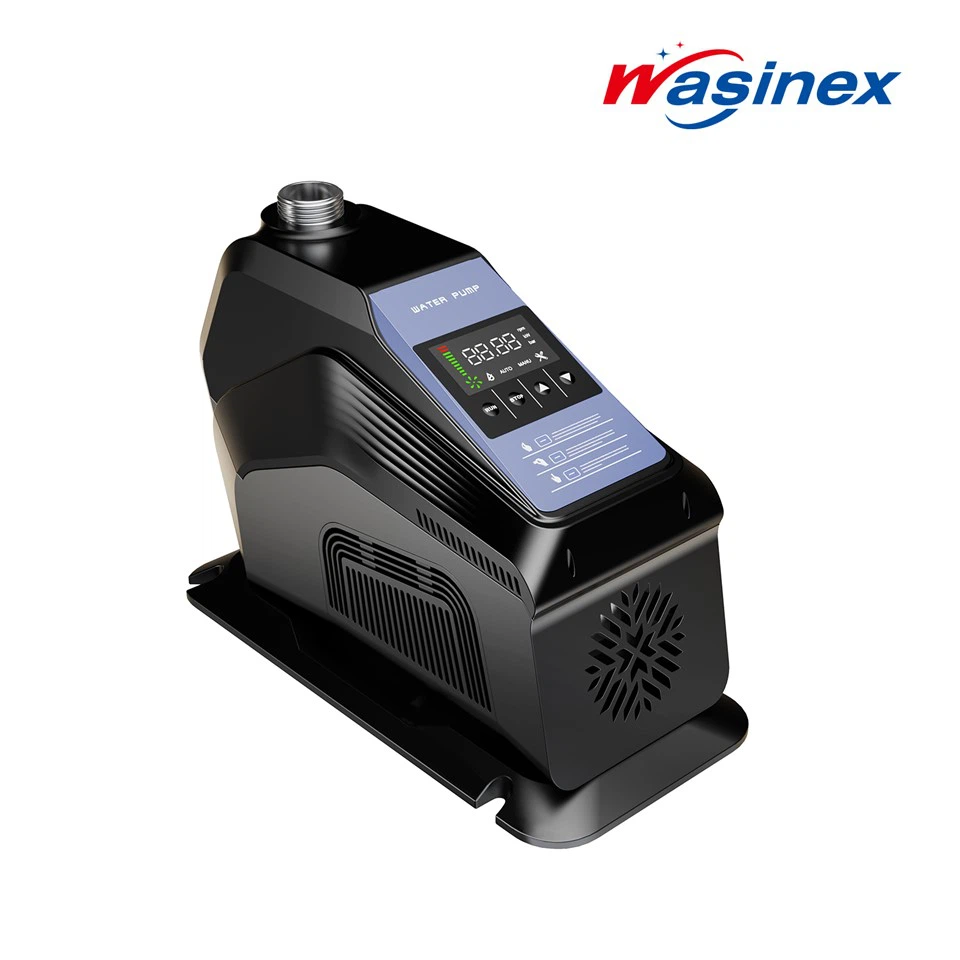
If you're in the market for a new water pump or need help with corrosion prevention, we've got a great range of pumps to suit your needs. Check out our Lightweight Self-priming Permanent Magnet Variable Frequency Pumps, High-power Self-priming Permanent Magnet Variable Frequency Pumps, and Self-priming Permanent Magnetic Frequency Conversion Pump.
If you have any questions or want to discuss your specific requirements, feel free to reach out. We're here to help you find the perfect solution for your water pumping needs.
References
- Fontana, M. G. (1986). Corrosion Engineering. McGraw-Hill.
- Revie, R. W. (Ed.). (2011). Uhlig's Corrosion Handbook. Wiley.
- Schweitzer, P. A. (1996). Corrosion Resistance Tables. Marcel Dekker.