

Designing a water pump system for a multi - story building is a complex yet crucial task. As a water pump supplier, I have witnessed firsthand the importance of a well - designed system in ensuring a reliable water supply to all floors of a building. In this blog, I will share some key considerations and steps to design an efficient water pump system for multi - story buildings.
Understanding the Building's Requirements
The first step in designing a water pump system is to understand the specific requirements of the multi - story building. This includes the number of floors, the number of occupants, and the type of water usage. For example, a residential building will have different water demand patterns compared to a commercial or industrial building.
Residential buildings typically have a relatively stable water demand for activities such as bathing, cooking, and cleaning. On the other hand, commercial buildings may have higher peak demands, especially during business hours. Industrial buildings may require water for manufacturing processes, which can have very specific flow and pressure requirements.
The height of the building is also a critical factor. As water needs to be pumped to higher floors, the pump must be able to generate sufficient pressure to overcome the gravitational force. A general rule of thumb is that for every 10 meters of height, an additional 1 bar of pressure is required. So, for a 30 - story building with each floor being about 3 meters high, the pump needs to generate enough pressure to lift water to approximately 90 meters, which means it should be able to provide around 9 bars of pressure just to overcome gravity.
Calculating Water Demand
Accurately calculating the water demand is essential for selecting the right pump. There are several methods to estimate water demand. One common approach is to use standard water consumption rates per person or per unit area. For residential buildings, the average water consumption per person per day can range from 100 - 300 liters, depending on the region and lifestyle.
In a commercial building, water demand can be estimated based on the type of business. For example, a restaurant may require a large amount of water for dishwashing and food preparation, while an office building will mainly use water for restrooms.
Once the daily water demand is estimated, the peak demand also needs to be determined. Peak demand usually occurs during certain times of the day, such as in the morning when people are getting ready for work or in the evening when they are cooking and taking showers. A peak - to - average ratio is often used to calculate the peak demand. This ratio can vary from 1.5 to 3, depending on the building type.

Selecting the Right Pump
Based on the calculated water demand and pressure requirements, the appropriate pump can be selected. There are several types of pumps available in the market, each with its own advantages and disadvantages.
Centrifugal pumps are the most commonly used pumps for multi - story building water supply systems. They are relatively simple in design, reliable, and can handle a wide range of flow rates and pressures. Centrifugal pumps work by converting the rotational energy of an impeller into kinetic energy of the water, which is then converted into pressure energy.
Positive displacement pumps, such as piston pumps and diaphragm pumps, are also used in some applications. They are more suitable for applications where a constant flow rate is required, regardless of the pressure changes. However, they are generally more expensive and have a lower flow capacity compared to centrifugal pumps.
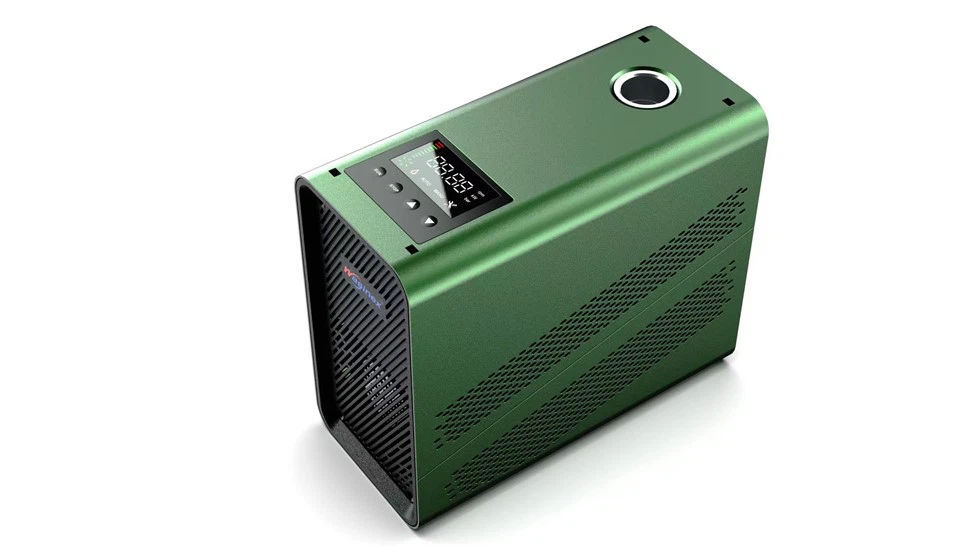
As a water pump supplier, I recommend considering Stainless Steel Permanent Magnetic Frequency Conversion Pump. These pumps offer several advantages. The permanent magnetic motor has a high efficiency, which can save energy compared to traditional motors. The frequency conversion feature allows the pump to adjust its speed according to the actual water demand, reducing energy consumption and wear and tear on the pump.
Another option is the Factory Permanent Magnetic Frequency Conversion Pump. These pumps are designed for industrial - scale applications and can handle high - volume water pumping. They are built with high - quality materials and advanced technology to ensure long - term reliability and performance.
For buildings where self - priming is required, such as in some basement or rooftop water storage systems, Lightweight Self - priming Permanent Magnet Variable Frequency Pumps are a great choice. Their self - priming feature allows them to start pumping water even when the suction line is not completely filled with water, which is very convenient for installation and maintenance.
System Layout and Piping Design
The layout of the water pump system and the piping design are also important aspects of the overall design. The pump should be installed in a well - ventilated and accessible location. It is usually recommended to install the pump in a dedicated pump room to protect it from environmental factors and to reduce noise.
The piping system should be designed to minimize pressure losses. This can be achieved by using pipes with an appropriate diameter. A larger diameter pipe will result in lower friction losses, but it will also be more expensive. So, a balance needs to be struck between cost and pressure loss.
Valves and fittings should be carefully selected and installed. Check valves are used to prevent backflow of water, while pressure - reducing valves can be used to control the pressure at different floors of the building.
Control and Monitoring
A modern water pump system for a multi - story building should be equipped with a control and monitoring system. This system can automatically start and stop the pump based on the water level in the storage tank or the pressure in the pipeline. It can also adjust the pump speed according to the actual water demand.
Remote monitoring is also becoming increasingly popular. With the help of sensors and communication technology, the pump system can be monitored and controlled from a central control room or even via a mobile app. This allows for real - time monitoring of the pump's performance, early detection of faults, and timely maintenance.
Maintenance and Safety
Regular maintenance is crucial to ensure the long - term reliability of the water pump system. This includes checking the pump's motor, impeller, bearings, and seals. The pump should be lubricated regularly, and any worn - out parts should be replaced promptly.
Safety is also a top priority. The pump system should be equipped with safety devices such as overload protection, over - temperature protection, and leakage protection. Electrical wiring should be installed in accordance with electrical safety standards to prevent electrical hazards.
Conclusion
Designing a water pump system for a multi - story building requires a comprehensive understanding of the building's requirements, accurate calculation of water demand, proper selection of pumps, careful design of the system layout and piping, and implementation of a reliable control and monitoring system. As a water pump supplier, I am committed to providing high - quality pumps and professional advice to help you design an efficient and reliable water pump system for your multi - story building.
If you are interested in purchasing water pumps for your multi - story building project or need more information about our products, please feel free to contact us for a detailed discussion and procurement negotiation. We look forward to working with you to meet your water pumping needs.
References
- "Pump Handbook" by Igor J. Karassik, Joseph P. Messina, Paul Cooper, and Charles C. Heald.
- "Mechanical and Electrical Equipment for Buildings" by Julian H. Winters, William Coad, and Daniel Friedman.
- Industry standards and guidelines from organizations such as the American Society of Plumbing Engineers (ASPE) and the International Association of Plumbing and Mechanical Officials (IAPMO).