

Can an inverter for a water pump be used in an agricultural irrigation system? This is a question that many farmers and agricultural professionals often ask. As a supplier of inverters for water pumps, I have encountered this query numerous times, and I'm here to provide a comprehensive answer based on scientific facts and real - world applications.
Understanding Inverters for Water Pumps
Before delving into whether they can be used in agricultural irrigation systems, it's essential to understand what an inverter for a water pump is. An inverter is an electronic device that converts direct current (DC) into alternating current (AC) at variable frequencies. In the context of water pumps, it controls the speed of the pump motor. By adjusting the frequency of the electrical supply, the inverter can regulate the flow rate and pressure of the water pumped.
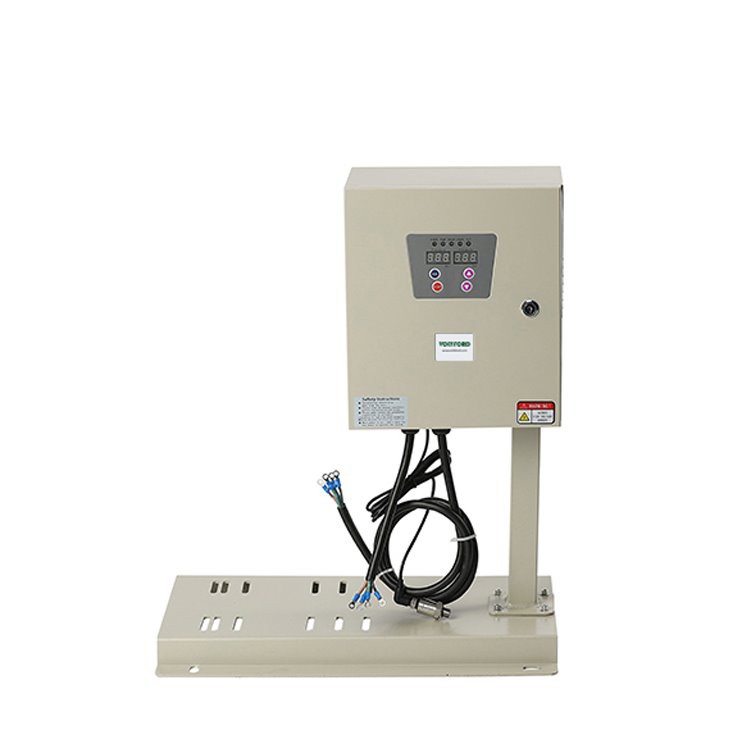
There are different types of inverters for water pumps available in the market. For instance, the Box Type Inverter for Water Pump is a robust option, typically housed in a sturdy box. It offers high - power capacity and is suitable for heavy - duty applications. On the other hand, the Wall - mounted Water Pump Inverter is more space - efficient and can be easily installed on a wall. It is a great choice for smaller setups or where space is limited. And the Inverter for Pumps is a general - purpose option that can be used with various types of pumps.
Advantages of Using Inverters in Agricultural Irrigation Systems
- Energy Efficiency
One of the most significant advantages of using an inverter for a water pump in an agricultural irrigation system is energy efficiency. Traditional water pumps often operate at a fixed speed, consuming a constant amount of energy regardless of the actual water demand. In contrast, an inverter - controlled pump can adjust its speed according to the water requirements. For example, during periods of low water demand, such as early morning or late evening, the pump can run at a lower speed, consuming less energy. This not only reduces electricity costs but also helps in conserving energy resources. - Precise Water Control
In agricultural irrigation, precise water control is crucial. Different crops have different water requirements at various growth stages. An inverter allows farmers to accurately control the flow rate and pressure of the water pumped. This means that they can provide the right amount of water to the crops, preventing over - irrigation or under - irrigation. Over - irrigation can lead to waterlogging, nutrient leaching, and increased disease susceptibility in crops. Under - irrigation, on the other hand, can cause stunted growth and reduced yields. With an inverter - controlled water pump, farmers can ensure optimal water distribution, leading to healthier crops and higher yields. - Reduced Wear and Tear
Traditional pumps that operate at a fixed speed are subject to high - stress levels during startup and shutdown. This can cause significant wear and tear on the pump motor and other components, leading to frequent breakdowns and costly repairs. An inverter - controlled pump starts and stops gradually, reducing the mechanical stress on the pump. This extends the lifespan of the pump and reduces maintenance costs over time. - Adaptability to Different Water Sources
Agricultural irrigation systems may draw water from various sources, such as wells, rivers, or lakes. The water levels and flow rates of these sources can vary significantly. An inverter - controlled water pump can adapt to these variations. For example, if the water level in a well drops, the inverter can increase the pump speed to maintain the required water flow. Similarly, if the water source has a high flow rate, the inverter can reduce the pump speed to avoid wasting water.
Challenges and Considerations
- Initial Investment
One of the main challenges of using an inverter for a water pump in an agricultural irrigation system is the initial investment. Inverters are more expensive than traditional fixed - speed controllers. However, it's important to consider the long - term benefits. The energy savings, reduced maintenance costs, and increased crop yields can offset the initial investment over time. - Technical Knowledge
Operating and maintaining an inverter - controlled water pump requires a certain level of technical knowledge. Farmers may need to be trained on how to set up the inverter, adjust the parameters, and troubleshoot any issues that may arise. Some suppliers offer training and support services to help farmers overcome this challenge. - Compatibility with Existing Systems
Before installing an inverter, it's important to ensure that it is compatible with the existing water pump and irrigation system. The inverter should be able to handle the power requirements of the pump and be compatible with the control systems in place. In some cases, minor modifications may be required to the existing system to ensure proper integration.
Real - World Applications
There are many successful examples of using inverters for water pumps in agricultural irrigation systems around the world. In California, where water scarcity is a major concern, many farmers have adopted inverter - controlled water pumps in their irrigation systems. These pumps have helped them conserve water and reduce energy costs while maintaining high crop yields. In Australia, where large - scale agricultural operations are common, inverters are used to control the water supply to vast fields of crops. The precise water control provided by the inverters has led to improved crop quality and increased productivity.
Conclusion
In conclusion, an inverter for a water pump can be effectively used in an agricultural irrigation system. The advantages of energy efficiency, precise water control, reduced wear and tear, and adaptability to different water sources far outweigh the challenges. Although there are initial investment and technical knowledge requirements, the long - term benefits make it a worthwhile investment for farmers.
If you are interested in incorporating an inverter for a water pump into your agricultural irrigation system, I encourage you to reach out for a detailed discussion. Our team of experts can help you select the right inverter for your specific needs, provide installation and training support, and ensure that you get the most out of your investment. Contact us to start the procurement process and take your agricultural irrigation system to the next level.

References
- "Energy - Efficient Irrigation Pumping Systems" by the American Society of Agricultural and Biological Engineers.
- "Advances in Agricultural Irrigation Technology" published by the International Water Management Institute.
- "Water Management in Agriculture" by the Food and Agriculture Organization of the United Nations.