

A pump pressure switch is a crucial component in many water pumping systems. It monitors the pressure in the system and automatically turns the pump on and off to maintain the desired pressure levels. Over time, like any mechanical or electrical device, a pump pressure switch may encounter issues. The question then arises: Can a pump pressure switch be repaired? As a supplier of pump pressure switches, I'd like to delve into this topic and provide some insights.
Understanding the Function of a Pump Pressure Switch
Before discussing repair possibilities, it's essential to understand how a pump pressure switch works. A typical pump pressure switch consists of a diaphragm, a set of electrical contacts, and an adjustment mechanism. When the pressure in the system drops below a certain set point, the diaphragm moves, causing the electrical contacts to close. This action activates the pump, which starts to pump water and increase the pressure. Once the pressure reaches the upper set point, the diaphragm moves back, opening the electrical contacts and shutting off the pump.
Common Problems with Pump Pressure Switches
Several issues can affect the performance of a pump pressure switch. One of the most common problems is a failure of the electrical contacts. Over time, the contacts can become worn, pitted, or corroded, which can prevent them from making a proper electrical connection. This can result in the pump not starting or not shutting off when it should.
Another common issue is a malfunctioning diaphragm. The diaphragm is a flexible membrane that responds to changes in pressure. If the diaphragm becomes damaged, torn, or clogged, it may not move properly, leading to inaccurate pressure readings and improper pump operation.
In addition, the adjustment mechanism of the pump pressure switch can sometimes become misaligned or damaged. This can cause the set points for turning the pump on and off to be incorrect, resulting in the pump cycling too frequently or not operating at all.
Assessing the Repairability of a Pump Pressure Switch
Whether a pump pressure switch can be repaired depends on several factors, including the type and extent of the damage, the age of the switch, and the availability of replacement parts.

In some cases, simple problems such as loose connections or minor corrosion on the electrical contacts can be easily fixed. For example, if the contacts are corroded, they can sometimes be cleaned with a fine-grit sandpaper or a contact cleaner to restore a proper electrical connection. Similarly, loose wires can be tightened, and any debris or dirt can be removed from the switch.
However, if the damage is more severe, such as a torn diaphragm or a broken adjustment mechanism, repair may not be feasible. In these cases, it may be more cost-effective and reliable to replace the entire pump pressure switch. Additionally, if the switch is old and has been in use for a long time, it may be more prone to further failures, even after a repair.
Repairing a Pump Pressure Switch: Step-by-Step Guide
If you decide to attempt to repair a pump pressure switch, here are some general steps you can follow:
- Safety First: Before working on the pump pressure switch, make sure to turn off the power to the pump to avoid the risk of electric shock.
- Inspect the Switch: Carefully examine the pump pressure switch for any visible signs of damage, such as cracks, corrosion, or loose parts. Check the electrical connections to ensure they are secure.
- Clean the Contacts: If the electrical contacts are dirty or corroded, use a fine-grit sandpaper or a contact cleaner to gently clean them. Be careful not to damage the contacts during the cleaning process.
- Check the Diaphragm: Inspect the diaphragm for any signs of damage or wear. If the diaphragm is torn or damaged, it will need to be replaced.
- Adjust the Set Points: If the pump is not turning on or off at the correct pressure levels, you may need to adjust the set points of the pump pressure switch. Refer to the manufacturer's instructions for the proper procedure to adjust the set points.
- Test the Switch: Once you have completed the repairs, turn the power back on and test the pump pressure switch to ensure it is working properly. Monitor the pump operation and check the pressure levels to make sure they are within the desired range.
When to Replace a Pump Pressure Switch
While some pump pressure switch problems can be repaired, there are situations where replacement is the better option. Here are some signs that it may be time to replace your pump pressure switch:
- Frequent Repairs: If you find yourself constantly repairing the pump pressure switch, it may be a sign that the switch is reaching the end of its lifespan and is no longer reliable.
- Severe Damage: If the switch has suffered significant damage, such as a broken diaphragm or a severely corroded housing, it may not be possible to repair it effectively.
- Incompatible Parts: If replacement parts for the pump pressure switch are no longer available or are difficult to obtain, it may be more practical to replace the entire switch.
- New Technology: If your pump pressure switch is an older model and there are newer, more efficient models available on the market, upgrading to a new switch may offer better performance and reliability.
Related Products for Pump Systems
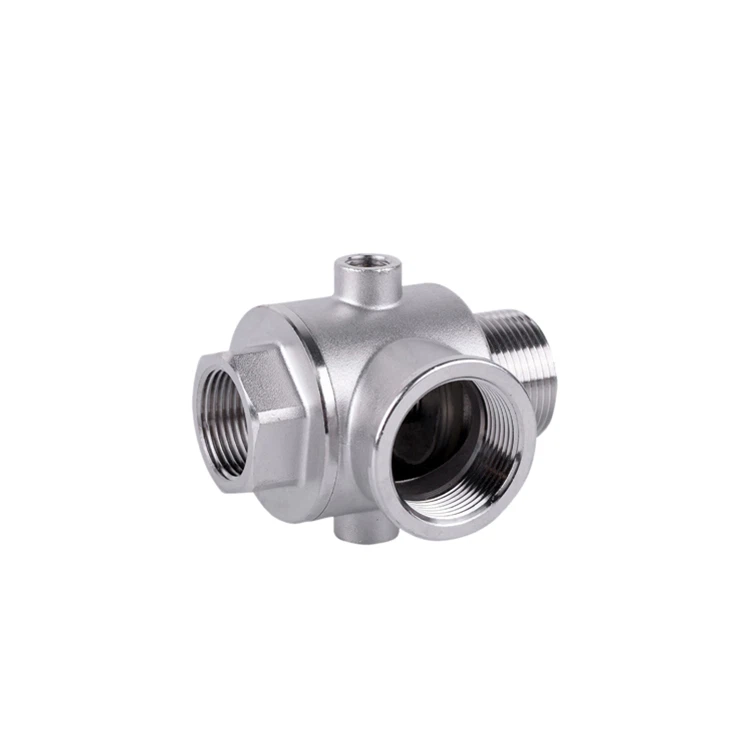
In addition to pump pressure switches, there are other important components in a water pumping system that can affect its performance. For example, a Stainless Steel Five-way Check Valve can help prevent backflow and ensure the proper flow of water in the system. A Pump Controller can provide more advanced control and monitoring features for the pump, allowing for more precise operation and energy savings. And a Pressure Sensor can accurately measure the pressure in the system and provide feedback to the pump pressure switch or other control devices.
Conclusion
In conclusion, whether a pump pressure switch can be repaired depends on the nature and extent of the damage. Simple issues such as loose connections or minor corrosion can often be fixed, but more severe damage may require replacement. As a supplier of pump pressure switches, we are committed to providing high-quality products and offering support to our customers. If you are experiencing problems with your pump pressure switch or are unsure whether it can be repaired, feel free to contact us. Our team of experts can help you assess the situation and provide the best solution for your needs. Whether you need a repair, a replacement, or advice on choosing the right pump pressure switch for your system, we are here to assist you. Let's work together to ensure the efficient and reliable operation of your water pumping system.
References
- "Pump Pressure Switch Basics" - Pump Industry Journal
- "Maintenance and Repair of Water Pumping Systems" - National Water Resources Association