

Hey there! As a supplier of inverters for water pumps, I often get asked about harmonic distortion. So, let's dive right into what harmonic distortion is and why it matters for water pump inverters.
First off, what's an inverter for a water pump? Well, it's a device that converts direct current (DC) into alternating current (AC) at a variable frequency. This allows the water pump to operate at different speeds, which is super useful for saving energy and controlling the flow of water. But here's the thing – when an inverter does its job, it can introduce something called harmonic distortion.
Harmonic distortion happens when the output waveform of an inverter deviates from a pure sine wave. In a perfect world, the output of an inverter would be a smooth, sinusoidal wave. But in reality, there are all sorts of factors that can mess up this waveform. These factors include the switching action of the inverter's power semiconductors, the characteristics of the load (in this case, the water pump), and the quality of the inverter's design.
So, why is harmonic distortion a big deal? Well, for starters, it can cause a whole bunch of problems. One of the main issues is that it can lead to increased heating in the water pump and other electrical equipment. This is because the harmonics add extra power to the system, which can cause components to overheat. Overheating can shorten the lifespan of the equipment and even lead to premature failure.
Another problem with harmonic distortion is that it can interfere with other electrical devices in the vicinity. The harmonics can create electromagnetic interference (EMI), which can cause problems with sensitive electronics, such as computers, communication systems, and other electrical equipment. This can lead to malfunctions, data loss, and other issues.
In addition to these problems, harmonic distortion can also affect the efficiency of the water pump. When the waveform is distorted, the pump has to work harder to achieve the same level of performance. This means that it uses more energy, which can result in higher electricity bills.
Now, let's talk about how we can measure harmonic distortion. There are a few different ways to do this, but one of the most common methods is to use a power quality analyzer. This device measures the harmonic content of the electrical signal and provides a detailed analysis of the distortion. The results are usually expressed as a percentage of the fundamental frequency.
So, what can we do to reduce harmonic distortion in water pump inverters? Well, there are a few different strategies that we can use. One approach is to use filters. Filters can be installed in the inverter to remove the harmonics from the output waveform. There are different types of filters available, including passive filters and active filters. Passive filters are relatively simple and inexpensive, but they may not be as effective as active filters. Active filters, on the other hand, are more complex and expensive, but they can provide better performance.
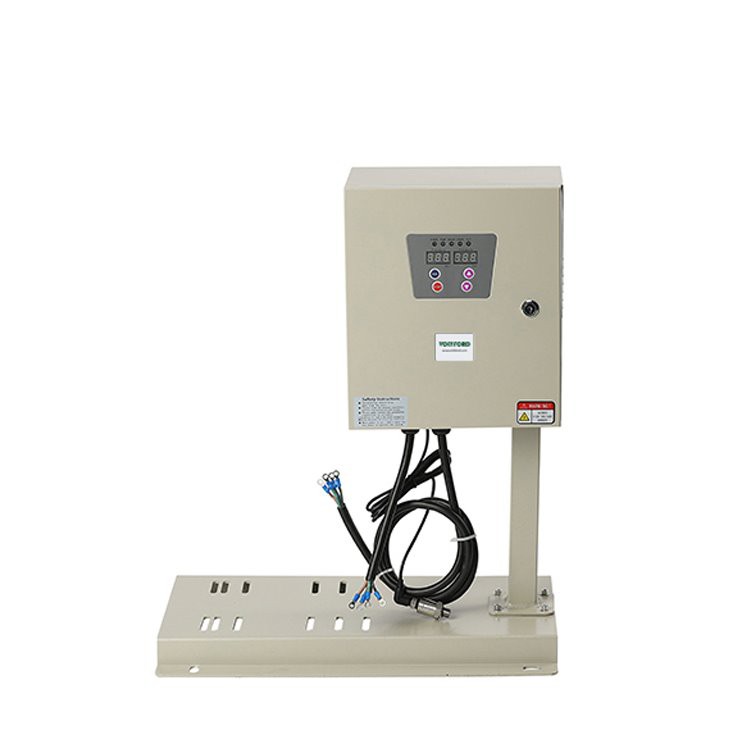

Another strategy is to use a high-quality inverter. A well-designed inverter with good power electronics can help to reduce harmonic distortion. Look for inverters that have a low total harmonic distortion (THD) rating. The THD rating is a measure of the total amount of harmonic distortion in the output waveform. A lower THD rating means less distortion and better performance.
At our company, we offer a range of inverters for water pumps that are designed to minimize harmonic distortion. Our Frequency Converter for Pump is a great option for those who need a reliable and efficient inverter. It features advanced power electronics and a low THD rating, which helps to reduce harmonic distortion and improve the performance of the water pump.
We also offer a Box Type Inverter for Water Pump, which is a compact and easy-to-install option. This inverter is designed to provide reliable performance in a variety of applications.
For those who need a low-power solution, we have a Low-power Water Pump Inverter. This inverter is ideal for small water pumps and can help to save energy and reduce costs.
If you're in the market for an inverter for your water pump, we'd love to hear from you. Our team of experts can help you choose the right inverter for your needs and provide you with all the information you need to make an informed decision. Whether you're a homeowner, a business owner, or an industrial user, we have the solutions you need to keep your water pump running smoothly.
In conclusion, harmonic distortion is an important issue to consider when choosing an inverter for a water pump. By understanding what harmonic distortion is and how it can affect the performance of your water pump, you can make an informed decision and choose an inverter that will provide reliable and efficient operation. If you have any questions or need more information, please don't hesitate to contact us. We're here to help you find the best solution for your needs.
References:
- Power Electronics: Converters, Applications, and Design by Ned Mohan, Tore M. Undeland, and William P. Robbins
- Electric Machinery and Power System Fundamentals by Stephen J. Chapman