

Yo, folks! As a supplier of inverters for water pumps, I get asked a ton about what these little gadgets actually do. So, I thought I'd break it down for you in a way that's easy to understand. Let's dig in!
First off, let's talk about the basics. An inverter for a water pump is a device that regulates the speed of the pump's motor. You see, traditional water pumps usually run at a fixed speed, which means they consume a constant amount of energy, regardless of the actual water demand. This can lead to a lot of wasted power and increased costs over time.

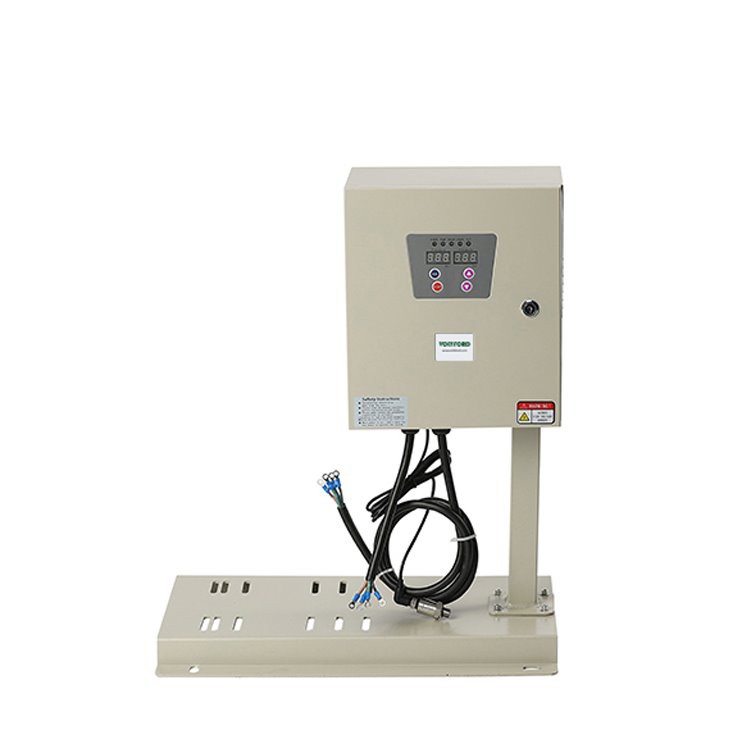
But here's where inverters come in. They adjust the motor's speed based on how much water is needed at any given moment. For example, if you're just using a little water for washing your hands, the inverter will slow down the pump motor, reducing energy consumption. On the flip side, when you need a large volume of water, like for filling up a swimming pool, the inverter will speed up the motor to meet the demand.
One of the biggest advantages of using an inverter for a water pump is energy savings. By matching the motor's speed to the water demand, you can significantly cut down on electricity usage. This not only helps you save money on your utility bills but also makes your water pumping system more environmentally friendly. In fact, studies have shown that using an inverter can reduce energy consumption by up to 50% compared to traditional fixed-speed pumps.
Another great function of these inverters is that they provide better pressure control. In a traditional system, the water pressure can fluctuate, especially when multiple taps are being used simultaneously. This can result in inconsistent water flow and even damage to your plumbing system. With an inverter, however, the pump can maintain a constant pressure, ensuring a smooth and consistent water supply throughout your home or business.
In addition to energy savings and pressure control, inverters also offer improved pump performance and longevity. By running the motor at a lower speed when less water is needed, the inverter reduces wear and tear on the pump components. This means fewer breakdowns and repairs, and a longer lifespan for your water pump. It's like giving your pump a little extra TLC to keep it running smoothly for years to come.
Now, let's take a look at some of the different types of inverters for water pumps that we offer. We have the Box Type Inverter for Water Pump, which is a compact and easy-to-install option. It's perfect for small to medium-sized water pumping systems, whether it's for a domestic or commercial use.
If you're looking for an inverter specifically designed for your home water pump, we've got the Domestic Water Pump Inverter. This type of inverter is tailored to meet the unique needs of residential water systems, providing reliable performance and energy efficiency right in your own home.
And for those situations where heat dissipation is a concern, we offer Water-cooled Inverters. These inverters use water to cool the internal components, ensuring optimal performance even in high-temperature environments. They're a great choice for industrial or large-scale water pumping applications.
So, if you're tired of high energy bills, inconsistent water pressure, or frequent pump breakdowns, it might be time to consider upgrading to an inverter for your water pump. As a supplier, we're committed to providing high-quality inverters that offer all the benefits I've mentioned and more. Whether you're a homeowner, a business owner, or a contractor, we've got the right solution for your water pumping needs.
If you're interested in learning more about our inverters or getting a quote, don't hesitate to reach out. We're here to answer any questions you might have and help you find the perfect inverter for your system. Let's work together to make your water pumping more efficient, reliable, and cost-effective.
References
- Energy Efficiency in Water Pump Systems: A Guide to Inverter Technology
- The Benefits of Variable Speed Drives for Water Pumps in Residential and Commercial Buildings
- Improving Pump Performance with Inverters: Case Studies and Best Practices