

As a reputable supplier of airbag pressure tanks, I understand the critical importance of proper storage for these essential components. Airbag pressure tanks are designed to store compressed gas under high pressure, which is used to inflate airbags in vehicles during a collision. Incorrect storage can lead to a variety of issues, including reduced performance, premature failure, and even safety hazards. In this blog post, I will discuss the key storage requirements for airbag pressure tanks to ensure their longevity and reliability.
Temperature and Humidity Control
One of the most important factors in storing airbag pressure tanks is maintaining the right temperature and humidity levels. These tanks are typically made of metal, which can be susceptible to corrosion if exposed to excessive moisture. Therefore, it is crucial to store them in a dry environment with a relative humidity of less than 60%. High humidity can cause rust and corrosion on the tank's surface, which can weaken the structure and compromise its integrity over time.
In addition to humidity, temperature also plays a significant role in the storage of airbag pressure tanks. Extreme temperatures can affect the pressure inside the tank and the performance of the gas stored within. It is recommended to store the tanks in an environment with a temperature range between -20°C and 60°C (-4°F and 140°F). Avoid storing the tanks in direct sunlight or near sources of heat, such as radiators or furnaces, as this can cause the pressure inside the tank to increase and potentially lead to a rupture.
Ventilation
Proper ventilation is essential when storing airbag pressure tanks. The tanks contain compressed gas, which can be hazardous if released into the environment. Ventilation helps to prevent the accumulation of gas in the storage area and reduces the risk of explosion or fire. The storage area should be well-ventilated, with a minimum of six air changes per hour. This can be achieved through natural ventilation, such as windows and doors, or mechanical ventilation systems.

Protection from Physical Damage
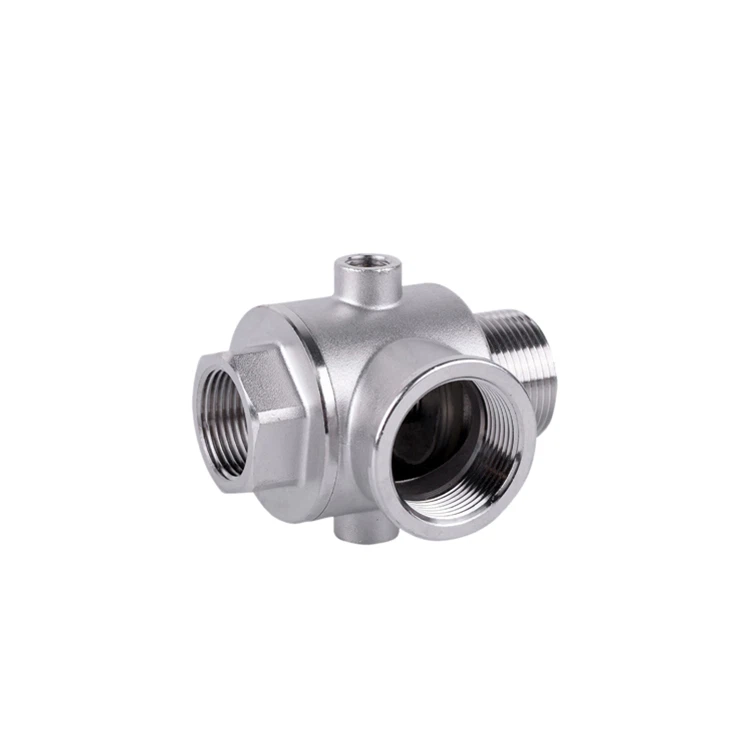
Airbag pressure tanks are designed to withstand high pressures, but they can still be damaged if subjected to physical impact or stress. When storing the tanks, it is important to protect them from any potential sources of damage. This includes avoiding stacking the tanks on top of each other, as this can cause excessive pressure on the bottom tanks and lead to deformation or rupture. Instead, store the tanks in a vertical position on a stable surface, such as a pallet or rack.
It is also important to protect the tanks from sharp objects or abrasive materials that could scratch or puncture the tank's surface. When handling the tanks, use appropriate lifting equipment and avoid dragging or dropping them. If the tank has any visible damage, such as dents or scratches, it should be inspected by a qualified technician before use.
Compatibility with Other Materials
When storing airbag pressure tanks, it is important to consider their compatibility with other materials in the storage area. Some materials, such as certain chemicals or solvents, can react with the gas stored in the tank and cause corrosion or other damage. Therefore, it is recommended to store the tanks away from any potentially incompatible materials.
In addition, it is important to ensure that the storage area is free from any sources of contamination, such as dust, dirt, or debris. These contaminants can enter the tank and affect the performance of the gas stored within. Regularly clean the storage area and the tanks themselves to prevent the accumulation of contaminants.
Regular Inspection and Maintenance
Even when stored under optimal conditions, airbag pressure tanks require regular inspection and maintenance to ensure their continued performance and safety. It is recommended to inspect the tanks at least once a year for any signs of damage, corrosion, or leakage. This can be done by a qualified technician using specialized equipment.
In addition to regular inspections, it is also important to follow the manufacturer's recommended maintenance schedule for the tanks. This may include tasks such as checking the pressure gauge, replacing the seals or valves, and performing a hydrostatic test to ensure the tank's integrity. By following these maintenance procedures, you can help to extend the lifespan of the tanks and ensure their reliable performance.
Conclusion
Proper storage of airbag pressure tanks is essential to ensure their longevity, reliability, and safety. By following the storage requirements outlined in this blog post, you can help to protect the tanks from damage, corrosion, and other issues that could affect their performance. Remember to maintain the right temperature and humidity levels, provide proper ventilation, protect the tanks from physical damage, consider their compatibility with other materials, and perform regular inspections and maintenance.
If you are in the market for high-quality airbag pressure tanks, [Your Company Name] is here to help. We are a leading supplier of airbag pressure tanks and other automotive safety components, offering a wide range of products to meet your needs. Our tanks are manufactured to the highest standards of quality and safety, and we are committed to providing our customers with the best possible service and support.
To learn more about our airbag pressure tanks or to discuss your specific requirements, please contact us today. Our team of experts will be happy to assist you and provide you with all the information you need to make an informed decision. We look forward to hearing from you and working with you to ensure the safety and reliability of your vehicles.
References
- Automotive Safety Standards and Regulations
- Manufacturer's Guidelines for Airbag Pressure Tanks
- Industry Best Practices for Storage of Compressed Gas Tanks