

Diagnostic tools play a crucial role in the efficient and reliable operation of automatic pump control systems. As a leading supplier in the Automatic Pump Control industry, we understand the importance of these tools in ensuring that pumps operate at their best, minimizing downtime, and preventing costly repairs. In this blog post, we will explore the various diagnostic tools available for automatic pump control and how they can benefit your pumping system.
Pressure Sensors
Pressure sensors are one of the most commonly used diagnostic tools in automatic pump control systems. These sensors measure the pressure within the pumping system and provide real - time data that can be used to monitor the performance of the pump. By continuously monitoring the pressure, operators can detect any abnormal pressure changes that may indicate a problem, such as a blockage in the pipes, a failing pump, or a leak in the system.
For example, if the pressure suddenly drops, it could mean that there is a leak in the pipeline or that the pump is not delivering enough water. On the other hand, a sudden increase in pressure might suggest a blockage in the system. Pressure sensors are available in different types, including analog and digital sensors. Digital pressure sensors offer higher accuracy and can be easily integrated with modern control systems, allowing for more precise control and better diagnostic capabilities.
Flow Meters
Flow meters are another essential diagnostic tool for automatic pump control. They measure the volume or mass of fluid flowing through the pump and pipes. By monitoring the flow rate, operators can determine if the pump is operating at its optimal capacity. A decrease in flow rate could indicate a variety of issues, such as a clogged filter, worn - out pump impeller, or a problem with the suction line.
There are several types of flow meters available, such as electromagnetic flow meters, ultrasonic flow meters, and turbine flow meters. Electromagnetic flow meters are ideal for measuring the flow of conductive fluids and are known for their high accuracy and reliability. Ultrasonic flow meters, on the other hand, are non - intrusive and can be easily installed on existing pipes, making them a popular choice for many applications.
Temperature Sensors
Temperature sensors are used to monitor the temperature of the pump and the surrounding environment. Excessive heat can cause damage to the pump components, such as the motor windings and bearings. By continuously monitoring the temperature, operators can detect any overheating issues early and take corrective action before it leads to a complete pump failure.
For instance, if the temperature of the motor exceeds its normal operating range, it could be a sign of a problem with the lubrication, a mechanical issue, or an electrical overload. Temperature sensors can be installed directly on the pump motor or in the lubrication system to provide accurate temperature readings.

Vibration Sensors
Vibration sensors are used to detect any abnormal vibrations in the pump. Vibrations can be caused by various factors, such as misalignment of the pump and motor, unbalanced impellers, or loose components. Excessive vibration not only reduces the efficiency of the pump but also increases the wear and tear on the components, leading to premature failure.
Vibration sensors can detect both the frequency and amplitude of the vibrations. By analyzing the vibration patterns, operators can identify the root cause of the problem and take appropriate corrective action. For example, if the vibration frequency indicates a misalignment issue, the pump and motor can be realigned to reduce the vibrations.
Liquid Level Sensor
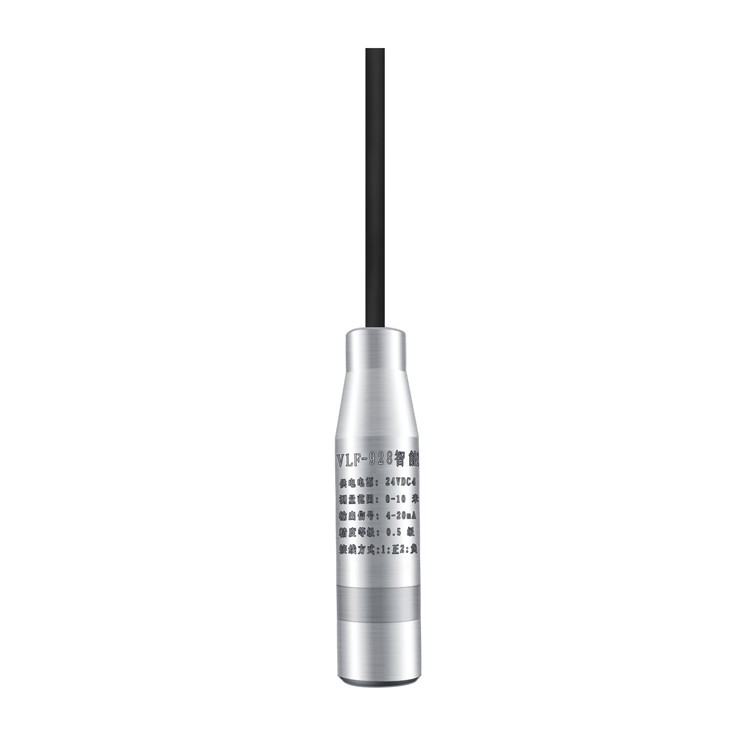
Liquid level sensors are used to monitor the level of liquid in a tank or reservoir. In automatic pump control systems, these sensors are crucial for ensuring that the pump operates only when there is an adequate supply of liquid. If the liquid level drops below a certain level, the pump can be automatically shut off to prevent damage due to dry running.
There are different types of liquid level sensors available, such as float switches, ultrasonic level sensors, and capacitive level sensors. Float switches are simple and cost - effective, but they may have limited accuracy. Ultrasonic level sensors use sound waves to measure the distance to the liquid surface and are known for their high accuracy and non - contact operation. Capacitive level sensors, on the other hand, detect the change in capacitance due to the presence of liquid and are suitable for a wide range of liquids.
Deep Well Pump Control Box
The Deep Well Pump Control Box is an important component in automatic pump control systems, especially for deep well applications. It provides a centralized location for controlling and protecting the pump. Diagnostic features in a deep well pump control box may include overload protection, under - voltage protection, and dry - running protection.
The control box can also monitor the pump's operating parameters, such as current, voltage, and temperature. If any of these parameters go out of the normal range, the control box can automatically shut off the pump to prevent damage. Additionally, some advanced control boxes can provide diagnostic information to operators, such as error codes, which can help in quickly identifying and troubleshooting problems.
Water Pump Electronic Switch
Water Pump Electronic Switches are used to automate the operation of water pumps. These switches can be programmed to turn the pump on and off based on various parameters, such as water level, pressure, or time. Diagnostic capabilities of electronic switches may include the ability to detect faults, such as a stuck relay or a malfunctioning sensor.
Some water pump electronic switches are equipped with LED indicators that can display the status of the pump and the switch itself. For example, a red LED may indicate a fault, while a green LED may indicate normal operation. This makes it easy for operators to quickly assess the situation and take appropriate action.
Benefits of Using Diagnostic Tools
The use of diagnostic tools in automatic pump control systems offers several benefits. Firstly, it improves the reliability of the pump. By detecting problems early, operators can take preventive maintenance measures, reducing the likelihood of unexpected breakdowns. Secondly, it enhances the efficiency of the pump. By optimizing the operating parameters based on the diagnostic data, the pump can consume less energy, resulting in cost savings.
Thirdly, diagnostic tools help in reducing maintenance costs. Instead of relying on scheduled maintenance, operators can perform maintenance only when necessary, based on the actual condition of the pump. This reduces the amount of unnecessary maintenance and extends the lifespan of the pump components.
How We Can Help
As a supplier of Automatic Pump Control systems, we offer a wide range of diagnostic tools to meet the needs of different applications. Our products are known for their high quality, reliability, and advanced diagnostic capabilities. We can help you choose the right diagnostic tools for your pumping system, based on your specific requirements.
If you are facing issues with the performance of your pumps or if you want to improve the efficiency and reliability of your automatic pump control system, we are here to assist you. Our team of experts can provide technical support, installation guidance, and after - sales service. We are committed to ensuring that you get the best value from your investment in our products.
If you are interested in learning more about our diagnostic tools or if you have any questions regarding automatic pump control, please feel free to reach out to us. We look forward to discussing your project and finding the best solutions for your needs.
References
- Pump Handbook, Karassik, I. J., Messina, J. P., Cooper, P. W., & Heald, C. C. (2008).
- Instrumentation and Control Systems, Curtis, N. (2012).