

As an inverter supplier, I've had the privilege of working closely with a wide range of customers, from small-scale DIY enthusiasts to large industrial enterprises. Through these experiences, I've gained valuable insights into the common problems that users encounter with inverters. In this blog post, I'll share some of these issues, their potential causes, and possible solutions.
Overheating
One of the most prevalent problems with inverters is overheating. Inverters convert direct current (DC) to alternating current (AC), a process that generates heat. If this heat isn't properly dissipated, it can lead to a variety of issues, including reduced efficiency, component damage, and even system failure.
Causes:
- High ambient temperature: Inverters are designed to operate within a specific temperature range. If the surrounding environment is too hot, the inverter may struggle to maintain a safe operating temperature.
- Inadequate ventilation: Proper ventilation is crucial for heat dissipation. If the inverter is installed in a confined space or if the ventilation openings are blocked, heat can build up quickly.
- Overloading: Running an inverter at or near its maximum capacity for an extended period can generate excessive heat. This is especially common in applications where the load requirements fluctuate or are not accurately estimated.
Solutions:
- Ensure proper installation: Install the inverter in a well-ventilated area, away from direct sunlight and other heat sources. Make sure there is enough space around the inverter for air to circulate freely.
- Use cooling fans or heat sinks: In some cases, additional cooling devices may be necessary to keep the inverter temperature within the acceptable range. Cooling fans can help to increase air flow, while heat sinks can absorb and dissipate heat more effectively.
- Avoid overloading: Always check the inverter's rated capacity and make sure the connected load does not exceed this limit. If the load requirements are likely to vary, consider using an inverter with a higher capacity or implementing load management strategies.
Voltage Fluctuations
Another common problem is voltage fluctuations. Inverters are designed to provide a stable output voltage, but various factors can cause this voltage to vary. These fluctuations can damage sensitive electronic equipment and affect the performance of the connected devices.
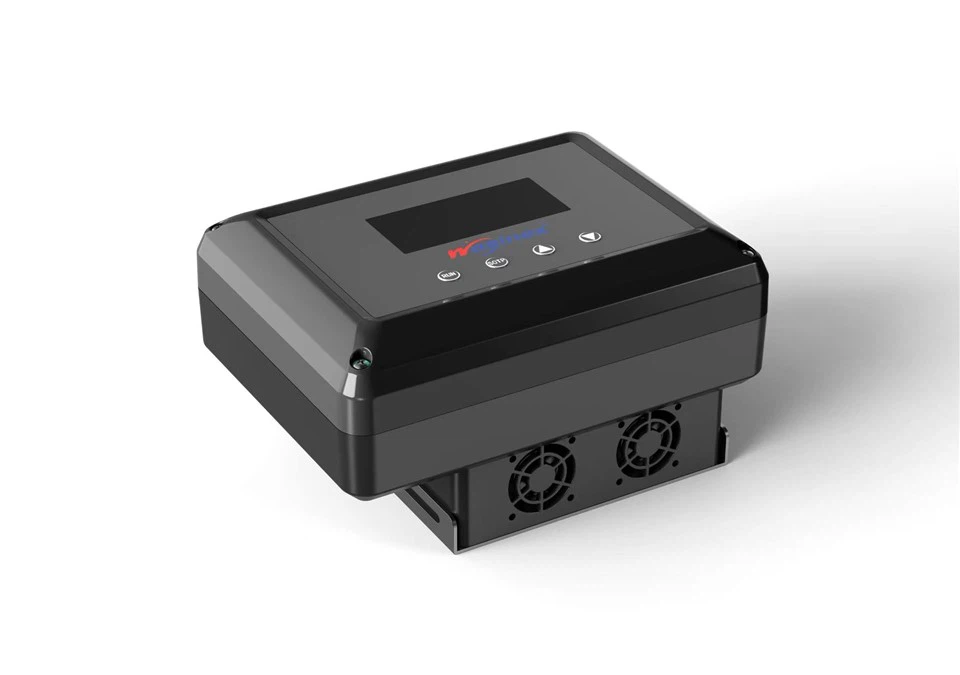

Causes:
- Input voltage variations: The input voltage to the inverter can be affected by factors such as power grid instability, battery condition, or the use of multiple power sources. If the input voltage is too high or too low, it can cause the output voltage to fluctuate.
- Load changes: Sudden changes in the connected load can also cause voltage fluctuations. For example, when a large appliance is turned on or off, the inverter may struggle to adjust the output voltage quickly enough.
- Inverter malfunction: A faulty inverter can also cause voltage problems. This could be due to a damaged component, a software glitch, or improper calibration.
Solutions:
- Use a voltage stabilizer: A voltage stabilizer can help to regulate the input voltage to the inverter, ensuring a more stable output. This is especially useful in areas with unreliable power grids.
- Implement load management: To minimize the impact of load changes, consider implementing load management strategies. This could involve staggering the operation of high-power devices or using a smart inverter that can adjust the output voltage based on the load requirements.
- Regular maintenance and testing: Regularly inspect and test the inverter to ensure it is functioning properly. If any problems are detected, have the inverter repaired or replaced as soon as possible.
Noise and Interference
Inverters can sometimes produce noise and electromagnetic interference (EMI), which can be a nuisance and may also affect the performance of other electronic devices.
Causes:
- Switching noise: Inverters use high-frequency switching circuits to convert DC to AC, which can generate electrical noise. This noise can be audible as a humming or buzzing sound and can also interfere with nearby electronic equipment.
- EMI: The high-frequency electrical signals in the inverter can also radiate electromagnetic waves, which can interfere with radio and television reception, as well as other electronic devices.
- Poor grounding: A poor or improper grounding connection can increase the level of noise and EMI generated by the inverter.
Solutions:
- Use noise filters: Noise filters can be installed to reduce the level of electrical noise generated by the inverter. These filters can be either built-in or external, depending on the type of inverter.
- Shielding: Shielding the inverter and its cables can help to reduce the amount of EMI radiated. This can be achieved by using metal enclosures or shielding materials.
- Proper grounding: Ensure that the inverter is properly grounded to minimize the risk of noise and EMI. Follow the manufacturer's instructions for grounding the inverter and use a high-quality grounding conductor.
Battery Issues
Inverters that are used in conjunction with batteries, such as in off-grid solar power systems, can also experience battery-related problems.
Causes:
- Overcharging or undercharging: If the battery is not charged or discharged properly, it can lead to reduced battery life and performance. Overcharging can cause the battery to overheat and damage the internal components, while undercharging can result in sulfation and reduced capacity.
- Battery aging: Like all batteries, inverter batteries have a limited lifespan. Over time, the battery's capacity will gradually decrease, and it may eventually need to be replaced.
- Poor battery maintenance: Neglecting to maintain the battery, such as not checking the electrolyte levels or not cleaning the terminals, can also lead to battery problems.
Solutions:
- Use a battery charger with proper charging algorithms: A good battery charger will monitor the battery's state of charge and adjust the charging current and voltage accordingly to prevent overcharging and undercharging.
- Replace old batteries: If the battery is approaching the end of its lifespan or is no longer performing as expected, it should be replaced with a new one.
- Regular battery maintenance: Follow the manufacturer's recommendations for battery maintenance, including checking the electrolyte levels, cleaning the terminals, and performing regular equalization charges.
Communication and Control Problems
Modern inverters often come with advanced communication and control features, such as remote monitoring and control capabilities. However, these features can sometimes experience problems.
Causes:
- Network issues: If the inverter is connected to a network, such as a Wi-Fi or Ethernet network, network problems can prevent the inverter from communicating with the monitoring or control system.
- Software bugs: The inverter's software may contain bugs or glitches that can cause communication or control problems. These bugs can be introduced during the manufacturing process or through software updates.
- Compatibility issues: There may be compatibility issues between the inverter and the monitoring or control system, especially if different brands or models are used.
Solutions:
- Check the network connection: Make sure the inverter is properly connected to the network and that the network settings are correct. Try restarting the router or modem if there are any network issues.
- Update the software: Check for software updates for the inverter and the monitoring or control system. Installing the latest software can often fix bugs and improve performance.
- Verify compatibility: Before purchasing a monitoring or control system, make sure it is compatible with the inverter. Consult the manufacturer's documentation or technical support for more information.
Conclusion
Inverters are essential components in many power systems, but they can experience a variety of problems. By understanding the common problems and their causes, users can take appropriate measures to prevent and solve these issues. As an inverter supplier, I'm committed to providing high-quality products and excellent customer support. If you're experiencing any problems with your inverter or need advice on choosing the right inverter for your application, please don't hesitate to [contact us for procurement and further discussion]. We offer a wide range of inverters, including the Pump Inverter With Float Switch, Inverter With Float Switch, and New LCD Three-phase Inverter. Our team of experts is ready to assist you in finding the best solution for your needs.
References
- "Inverter Handbook" - A comprehensive guide to inverter technology and applications.
- Manufacturer's documentation for various inverter models.
- Industry standards and guidelines for inverter installation and maintenance.