

For those in the automotive industry, the intricate relationship between different vehicle components is a subject of continuous exploration. As a supplier of airbag pressure tanks, I've witnessed firsthand the evolving landscape of vehicle design, especially in the era of electric vehicles (EVs). This blog aims to delve into how the power system of an electric vehicle affects the airbag pressure tank.
Understanding the Basics: Electric Vehicle Power Systems
Electric vehicles are powered by a complex system, mainly consisting of a battery pack, an electric motor, and a power - electronics controller. The battery pack stores electrical energy, which is then converted into mechanical energy by the electric motor with the help of the power - electronics controller. This system is fundamentally different from the internal combustion engine (ICE) systems found in traditional vehicles.
In an ICE vehicle, the power is generated by the combustion of fuel, which has a relatively steady mechanical output. In contrast, electric vehicles can produce instant torque, which means rapid acceleration and deceleration are possible. This characteristic of EVs has far - reaching implications for all other vehicle components, including the airbag pressure tank.
Rapid Acceleration and Deceleration
One of the most significant differences in the power delivery of electric vehicles is the ability to achieve rapid acceleration and deceleration. When an electric vehicle accelerates quickly, it creates a forward force on all components inside the vehicle, including the passengers. This sudden change in motion can trigger the airbag system to deploy.
The airbag pressure tank plays a crucial role in this process. It stores compressed gas, which is released rapidly to inflate the airbag when a collision is detected. In the case of an electric vehicle's sudden acceleration, the forces acting on the vehicle can be misinterpreted by the sensors as a potential collision. If this happens, the airbag control unit may send a signal to the airbag pressure tank to release the gas.
However, the power system of the electric vehicle can also affect the performance of the airbag pressure tank during rapid acceleration. The high - power draw during acceleration can cause electrical interference in the vehicle's wiring system. This interference may disrupt the signal sent from the airbag control unit to the pressure tank, leading to a delayed or incorrect deployment of the airbag.
On the other hand, during rapid deceleration, such as when an EV driver slams on the brakes, a large backward force is exerted on the passengers. Similar to sudden acceleration, this can also be detected as a potential collision. The airbag pressure tank needs to be able to respond quickly to these sudden changes in motion. But again, the power system can pose challenges. The energy regeneration process during braking in an electric vehicle can cause voltage fluctuations in the electrical system. These fluctuations may affect the valves in the airbag pressure tank, which are responsible for controlling the release of the compressed gas.
Thermal Management and Power System
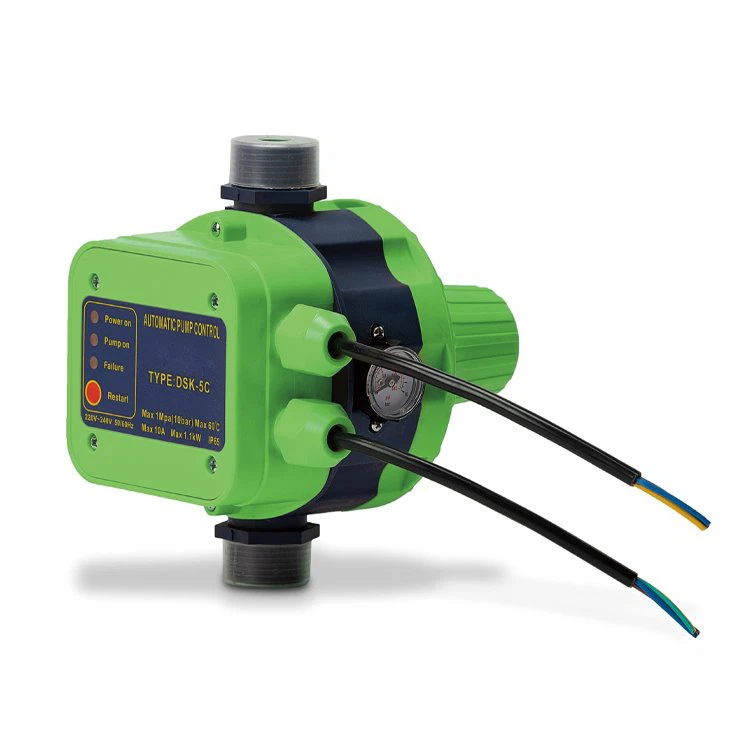
The power system of an electric vehicle generates a significant amount of heat, especially during high - power operation. To ensure the longevity and performance of the battery pack and the electric motor, an efficient thermal management system is required. This thermal management system often uses components such as the Water Pump Controller and the Pressure Control Switch to regulate the flow of coolant.
The heat generated by the power system can have an impact on the airbag pressure tank. The airbag pressure tank is designed to operate within a specific temperature range. Excessive heat from the power system can cause the pressure inside the tank to increase. If the pressure exceeds the designed limits, it can lead to the failure of the pressure tank, resulting in a non - functional airbag system.
Moreover, the thermal management system of the electric vehicle power system may be in close proximity to the airbag pressure tank. Any leakage or malfunction in the coolant system can potentially damage the airbag pressure tank. For example, if coolant leaks onto the pressure tank, it can corrode the tank's material, reducing its structural integrity.
Electrical Interference
Electric vehicles are full of high - voltage electrical components in their power systems. These components can generate electromagnetic interference (EMI). EMI can disrupt the normal operation of the airbag system, which relies on precise electrical signals to function correctly.
The airbag pressure tank is connected to the airbag control unit through electrical wires. The EMI from the power system can induce unwanted electrical signals in these wires. These false signals can cause the airbag pressure tank to release the compressed gas prematurely or prevent it from deploying when necessary.
To mitigate the effects of EMI, automotive manufacturers use shielding and filtering techniques. However, as the power output of electric vehicles continues to increase, the challenge of managing EMI becomes more complex. This, in turn, has a direct impact on the reliable operation of the airbag pressure tank.

Battery Degradation and Power System
Over time, the battery in an electric vehicle will degrade. As the battery degrades, its ability to deliver consistent power decreases. This can lead to an uneven power supply to the electric motor, which can cause erratic acceleration and deceleration.
These erratic motions can place additional stress on the airbag pressure tank. The sudden and unpredictable changes in motion may require the pressure tank to respond more frequently, increasing the wear and tear on its components. Additionally, the unreliable power supply may also affect the airbag control unit's ability to accurately detect collisions, further complicating the operation of the airbag pressure tank.
Impact on Airbag Pressure Tank Design
The unique characteristics of the electric vehicle power system have forced manufacturers of airbag pressure tanks to adapt their designs. For example, airbag pressure tanks now need to be more resistant to electrical interference. This may involve using better shielding materials and more robust electrical connections.
In terms of thermal performance, the tanks need to be designed to withstand higher temperatures. Manufacturers may use heat - resistant materials or develop new cooling mechanisms for the pressure tanks. Additionally, the tanks need to be more durable to handle the increased frequency of use due to the erratic motion caused by battery degradation.
Importance of Quality Airbag Pressure Tanks for Electric Vehicles
In the context of electric vehicles, the quality of the airbag pressure tank is of utmost importance. A faulty pressure tank can lead to a non - functioning airbag system, which poses a significant safety risk to the vehicle's occupants. As the power system of electric vehicles becomes more complex, the demand for high - quality airbag pressure tanks is growing.
As a supplier of airbag pressure tanks, we understand the unique challenges presented by electric vehicle power systems. Our products are designed and manufactured to meet the highest standards of quality and performance. We use advanced materials and cutting - edge technology to ensure that our airbag pressure tanks can operate reliably in the harsh environment of electric vehicles.
Conclusion and Call to Action
The power system of an electric vehicle has a profound impact on the airbag pressure tank. From rapid acceleration and deceleration to thermal management, electrical interference, and battery degradation, every aspect of the power system presents challenges that need to be addressed.
If you're in the automotive industry and are looking for reliable and high - quality airbag pressure tanks, we are here to serve you. Our team of experts is ready to discuss your specific requirements and provide you with the best solutions. Contact us today to start a fruitful discussion about your airbag pressure tank procurement needs.
References
- Smith, J. (2020). "Advances in Electric Vehicle Power Systems". Journal of Automotive Engineering.
- Johnson, A. (2021). "Safety Considerations for Airbag Systems in Modern Vehicles". Safety Research Magazine.
- Brown, R. (2019). "Thermal Management in Electric Vehicles". Automotive Technology Review.