

In the realm of industrial pump systems, a pump pressure switch is a critical component that plays a pivotal role in ensuring the efficient and safe operation of pumps. As a reputable supplier of pump pressure switches, I am well - versed in how these devices function and their significance in industrial settings. In this blog, I will delve into the inner workings of a pump pressure switch in an industrial pump system.
Basic Function of a Pump Pressure Switch
At its core, a pump pressure switch is designed to monitor the pressure within a pump system and control the operation of the pump based on pre - set pressure levels. It acts as an intelligent gatekeeper, deciding when the pump should start and stop. This function is crucial for maintaining a consistent and appropriate pressure in the system, preventing over - pressurization or under - pressurization, which can lead to equipment damage, inefficiencies, and even safety hazards.
Components of a Pump Pressure Switch
To understand how a pump pressure switch works, we first need to familiarize ourselves with its key components.
Diaphragm or Piston
The diaphragm or piston is the part that senses the pressure changes in the system. When the pressure in the pump system rises or falls, it exerts a force on the diaphragm or piston. For example, in a water pump system, as water is pumped into a storage tank, the increasing water pressure pushes against the diaphragm.

Springs
Springs are used to set the cut - in and cut - out pressure levels. The cut - in pressure is the pressure at which the switch turns the pump on, and the cut - out pressure is the pressure at which the switch turns the pump off. By adjusting the tension of the springs, we can customize these pressure settings according to the specific requirements of the industrial pump system.
Electrical Contacts
The electrical contacts are responsible for completing or breaking the electrical circuit that powers the pump. When the pressure reaches the cut - in or cut - out level, the movement of the diaphragm or piston causes the electrical contacts to either close (to start the pump) or open (to stop the pump).
Working Mechanism of a Pump Pressure Switch
Let's walk through the step - by - step process of how a pump pressure switch operates in an industrial pump system.
Initial State
When the pump is off and the pressure in the system is below the cut - in pressure, the electrical contacts of the pressure switch are open. This means that there is no electrical connection to power the pump.
Pressure Build - up
As the system starts to lose pressure, for instance, when water is being drawn from a storage tank in a water pump system, the pressure in the system drops. Once the pressure reaches the pre - set cut - in pressure, the force exerted on the diaphragm or piston overcomes the tension of the spring. This causes the diaphragm or piston to move, which in turn closes the electrical contacts.
Pump Activation
With the electrical contacts closed, an electrical circuit is completed, and power is supplied to the pump. The pump then starts to operate, and it begins to increase the pressure in the system. For example, in an oil pumping system, the pump starts to draw oil from a reservoir and push it through the pipelines.
Pressure Increase
As the pump continues to operate, the pressure in the system rises. The diaphragm or piston senses this increase in pressure. When the pressure reaches the pre - set cut - out pressure, the force on the diaphragm or piston becomes strong enough to overcome the spring tension in the opposite direction.
Pump Deactivation
This causes the electrical contacts to open, breaking the electrical circuit. As a result, power to the pump is cut off, and the pump stops operating. This cycle repeats as the pressure in the system fluctuates, ensuring that the pressure is maintained within the desired range.
Importance of Pump Pressure Switches in Industrial Pump Systems
Pump pressure switches are of utmost importance in industrial pump systems for several reasons.
Equipment Protection
By preventing over - pressurization and under - pressurization, pump pressure switches protect the pump and other components of the system from damage. For example, if a pump were to run continuously without a pressure switch, it could cause excessive wear and tear on the pump motor, leading to premature failure.
Energy Efficiency
Pump pressure switches help to optimize energy consumption. They ensure that the pump only runs when necessary, reducing unnecessary energy usage. In large - scale industrial pump systems, this can result in significant cost savings over time.
Process Stability
In industrial processes that rely on a consistent pressure, such as chemical manufacturing or food processing, pump pressure switches play a crucial role in maintaining process stability. They ensure that the pressure in the system remains within the specified range, which is essential for the quality and consistency of the final product.
Complementary Products in an Industrial Pump System
In addition to pump pressure switches, there are other important components in an industrial pump system that work in tandem to ensure its proper functioning.
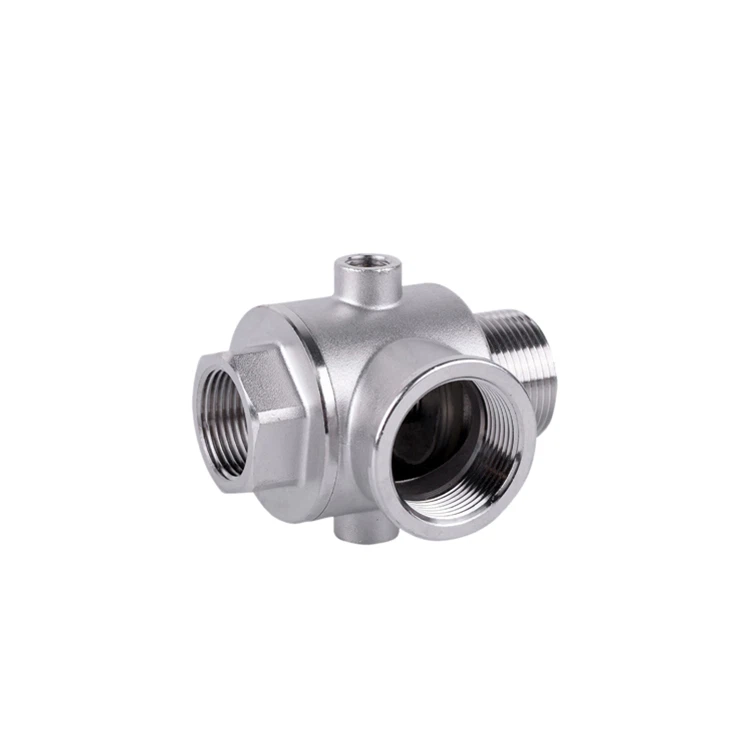
One such product is the Stainless Steel Five - way Check Valve. This valve allows fluid to flow in one direction while preventing backflow, which is essential for maintaining the pressure and flow direction in the system.
The Adjustable Pressure Controller for Pump is another useful device. It provides more precise control over the pressure in the system, allowing for fine - tuning of the pressure settings according to the specific needs of the industrial process.
The VLF - 309 Pressure Transmitter can be used to measure and transmit the pressure data in the system. This data can be used for monitoring and control purposes, enabling operators to make informed decisions about the operation of the pump system.
Conclusion and Call to Action
In conclusion, a pump pressure switch is a fundamental component in an industrial pump system. Its ability to monitor and control pressure ensures the efficient, safe, and stable operation of the pump and the entire system. Whether you are in the water treatment industry, oil and gas sector, or any other field that relies on industrial pumps, having a high - quality pump pressure switch is essential.
As a trusted supplier of pump pressure switches, we offer a wide range of products that are designed to meet the diverse needs of industrial pump systems. Our switches are made from high - quality materials, ensuring durability and reliability. If you are in the market for a pump pressure switch or any of the complementary products mentioned above, we encourage you to reach out to us for procurement and further discussions. We are committed to providing you with the best solutions for your industrial pump system needs.
References
- "Industrial Pump Handbook" by Karassik, I. J., Messina, J. P., Cooper, P. & Heald, C. C.
- "Pump Systems Matter: A Guide to Improving Pumping System Performance" by the U.S. Department of Energy.