

As a supplier of Digital Display Sensors, proper storage of these delicate devices is crucial to maintain their performance and longevity. In this blog, I'll share some key aspects and best practices on how to store digital display sensors effectively.
Understanding the Sensors
Digital display sensors are sophisticated electronic devices designed to measure and display various physical quantities such as pressure, temperature, humidity, etc. They consist of sensitive components, including microprocessors, sensors, and display screens, which can be easily damaged by improper storage conditions. These sensors are used in a wide range of industries, from automotive and aerospace to industrial automation and home appliances.
Ideal Storage Environment
Temperature
Temperature is one of the most critical factors when it comes to storing digital display sensors. Extreme temperatures can cause the materials inside the sensors to expand or contract, leading to mechanical stress and potential damage. High temperatures can also accelerate chemical reactions within the components, reducing their lifespan.
For most digital display sensors, the ideal storage temperature range is between 20°C and 25°C (68°F - 77°F). It's important to avoid storing them in areas where the temperature can fluctuate significantly, such as near heating or cooling vents, direct sunlight, or uninsulated storage rooms. If you need to store sensors in a warehouse or a large storage facility, consider using temperature - controlled storage units.
Humidity
Humidity can also have a detrimental effect on digital display sensors. High humidity levels can cause corrosion of metal parts, short - circuits in the electrical components, and damage to the display screens. On the other hand, extremely low humidity can lead to static electricity buildup, which can damage the sensitive electronic circuits.
The recommended humidity level for storing digital display sensors is between 40% and 60%. To maintain this level, you can use dehumidifiers in areas with high humidity or humidifiers in dry environments. Additionally, storing sensors in sealed containers with desiccant packets can help absorb excess moisture.
Dust and Contaminants
Dust, dirt, and other contaminants can accumulate on the sensors and affect their performance. They can clog the sensor openings, interfere with the electrical connections, and scratch the display screens. To prevent this, sensors should be stored in clean, dust - free environments.
You can store sensors in sealed plastic bags or cases to protect them from dust. If possible, store them in a cleanroom or a storage area with a high - efficiency particulate air (HEPA) filtration system. Regularly clean the storage area to remove any dust or debris that may have accumulated.
Packaging
Proper packaging is essential for protecting digital display sensors during storage. The packaging should be designed to provide cushioning and protection from physical damage.
Anti - Static Packaging
Since digital display sensors are sensitive to static electricity, anti - static packaging is highly recommended. Anti - static bags or foam can help dissipate static charges and prevent electrostatic discharge (ESD) from damaging the sensors. Make sure that the sensors are completely wrapped in anti - static material before storing them.
Shock - Absorbing Materials
Sensors can be easily damaged by shocks and vibrations. Using shock - absorbing materials such as foam inserts or bubble wrap can help protect them from physical impact. Place the sensors in a sturdy box with sufficient padding to prevent them from moving around during storage.
Storage Shelving and Racks
The way you store digital display sensors on shelves or racks can also affect their condition.
Proper Placement
Sensors should be placed upright on the shelves to prevent any stress on the components. Avoid stacking sensors on top of each other, as this can cause damage to the display screens or other delicate parts. If you need to stack sensors, use appropriate spacers or dividers to keep them separated.
Labeling
Proper labeling of the storage shelves and the sensors themselves is important. Label each sensor with its model number, serial number, and the date of storage. This will make it easier to locate specific sensors when needed and also help you keep track of their storage time.
Regular Inspection
Even when stored properly, digital display sensors should be regularly inspected to ensure their integrity.
Visual Inspection
Perform a visual inspection of the sensors at least once every few months. Check for any signs of physical damage, such as cracks in the display screens, bent pins, or corrosion on the metal parts. If you notice any damage, take appropriate measures to repair or replace the sensors.

Functional Testing
Periodically test the functionality of the sensors. This can be done using specialized testing equipment. Functional testing will help you identify any potential issues with the sensors before they are deployed in the field.
Related Products and Their Storage Considerations
In addition to digital display sensors, our company also offers other related products such as Water Pump Switch, Stainless Steel Five - way Check Valve, and VLF - 309 Pressure Transmitter.
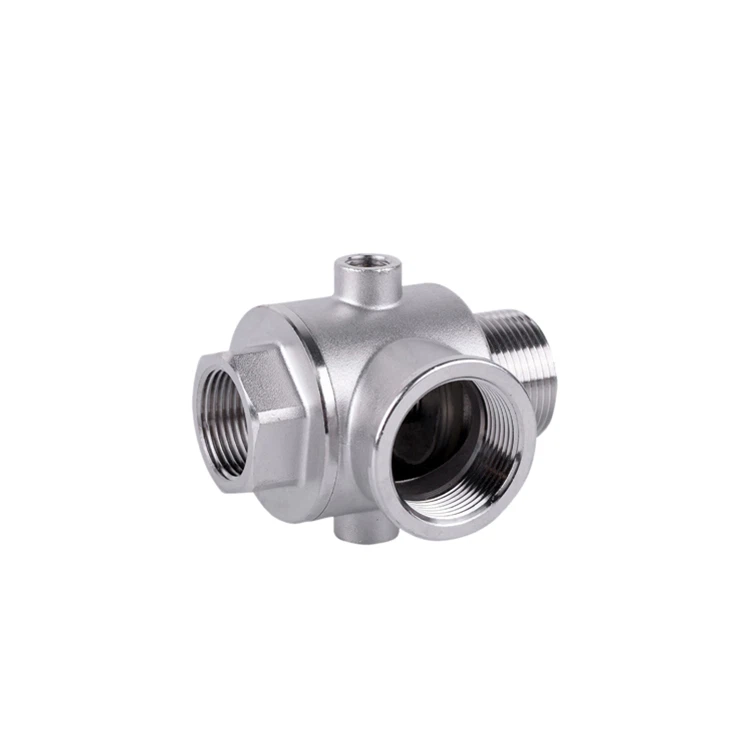
The storage requirements for these products are also important to consider. Water pump switches should be stored in a dry environment to prevent corrosion of the electrical contacts. Stainless steel five - way check valves can be stored in a normal storage area, but they should be protected from physical damage. VLF - 309 pressure transmitters, like digital display sensors, are sensitive to temperature, humidity, and static electricity, and should be stored accordingly.
Conclusion
Storing digital display sensors properly is essential for maintaining their performance and ensuring their long - term reliability. By following the guidelines on temperature, humidity, dust control, packaging, storage shelving, and regular inspection, you can minimize the risk of damage to the sensors. If you are interested in purchasing our digital display sensors or any of our related products, we invite you to contact us for procurement and negotiation. We are committed to providing high - quality products and excellent customer service.
References
- "Handbook of Electronic Component Packaging" by John H. Lau
- "Electronics Cooling Handbook" by Avram Bar - Cohen and Andrew D. Kraus