

As a supplier of Automatic Pump Control systems, I often get asked if these controls can be used in irrigation systems. The short answer is a resounding yes! In this blog post, I'll delve into the ins and outs of using automatic pump control in irrigation, highlighting the benefits, discussing different types of controls, and sharing some real - world applications.
Benefits of Using Automatic Pump Control in Irrigation
One of the most significant advantages is the efficiency it brings. manual irrigation can be a time - consuming and error - prone process. You might end up over - watering some areas and under - watering others. Automatic pump control systems solve this issue by ensuring that the right amount of water is delivered to each part of the irrigation system.
Let's say you have a large agricultural field. With automatic controls, you can set the system to water specific sections at different times and for different durations based on factors like soil moisture, weather conditions, and the type of crops being grown. This precision not only saves water but also promotes healthier plant growth.
Another benefit is cost - savings. By using water more efficiently, you reduce your water bills. Additionally, automatic pump control can extend the lifespan of your pumps. These controls can monitor the pump's operation, preventing it from running when it's not needed or under conditions that could cause damage. For example, if the water level in a well drops too low, the control system can shut off the pump to prevent it from running dry, which could lead to expensive repairs or premature replacement.
Types of Automatic Pump Controls for Irrigation
There are several types of automatic pump controls that are well - suited for irrigation systems.
Pressure - based Controls
Pressure - based controls are quite common. They work by monitoring the water pressure in the irrigation system. When the pressure drops below a certain set point, indicating that water is being used (i.e., a sprinkler is running), the pump is activated. Once the pressure reaches the upper set point, the pump shuts off.
An example of a great pressure - based control product is the Intelligent Pump Pressure Controller. This controller offers advanced features like adjustable pressure settings, which allow you to customize the operation based on your specific irrigation needs. It can handle a wide range of pump sizes and is very reliable, making it a popular choice among farmers and landscapers.
Flow - based Controls
Flow - based controls, on the other hand, focus on the volume of water flowing through the system. These controls are useful when you need to ensure a specific amount of water is delivered. For instance, if you have a drip irrigation system that requires a precise flow rate, a flow - based control can maintain that rate.
The VLF - 516 Pressure Transmitter can be integrated into a flow - based control system. It accurately measures the pressure, which can then be used to calculate the flow rate. This transmitter is highly accurate and durable, making it ideal for long - term use in irrigation systems.
Timer - based Controls
Timer - based controls are simple yet effective. You can program them to turn the pump on and off at specific times. This is great for situations where you have a regular watering schedule. For example, you can set the timer to water your garden early in the morning when evaporation is low.
Real - World Applications
Let's take a look at some real - world scenarios where automatic pump control has made a significant difference in irrigation.
Agricultural Farms
On large farms, automatic pump control is a game - changer. For a farm growing different types of crops, each with its own water requirements, an automatic system can manage the irrigation efficiently. For instance, a vineyard might need a different watering schedule compared to a wheat field. With automatic controls, the farmer can adjust the settings for each area, ensuring optimal growth and high yields.
Residential Gardens
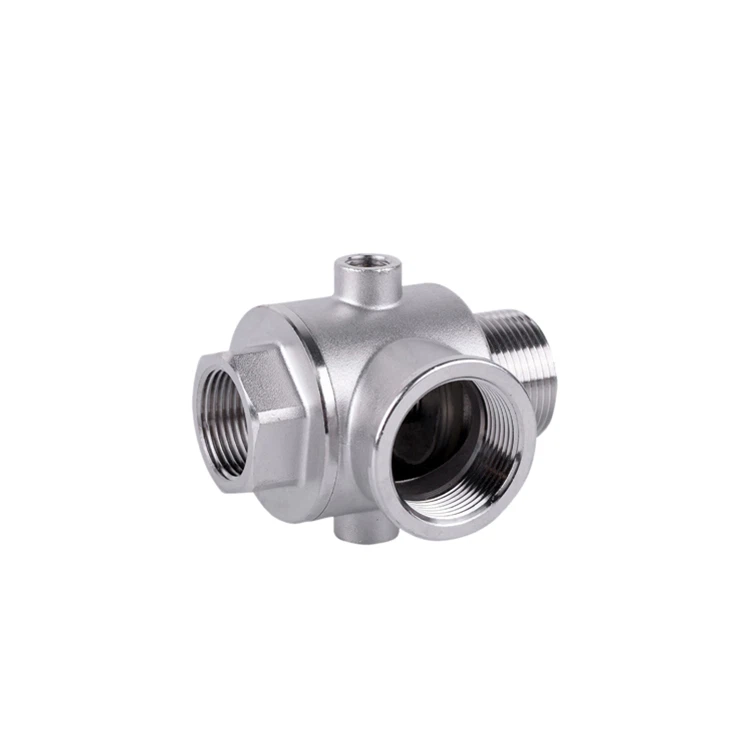
In a residential setting, automatic pump control makes it easy to maintain a beautiful garden without spending hours manually watering. You can set up a system with a timer or a combination of pressure and flow controls to water your flower beds, lawn, and vegetable garden. The Stainless Steel Five - way Check Valve can be an important part of this system, ensuring that water flows in the right direction and preventing back - flow, which can damage the pump.
Golf Courses
Golf courses require a large amount of water to keep the greens and fairways in top condition. Automatic pump control systems allow for precise watering, ensuring that the grass gets enough moisture without being over - watered. These systems can also adapt to different weather conditions. For example, during a rainy week, the system can reduce the watering frequency.

Potential Challenges and Solutions
While automatic pump control in irrigation has many benefits, there are also some potential challenges.
Technical Issues
Like any technology, these control systems can experience technical glitches. For example, a sensor might malfunction, leading to incorrect readings and improper pump operation. Regular maintenance and calibration can help prevent these issues. Most modern control systems also come with diagnostic features that can alert you to potential problems early on.
Compatibility
Ensuring compatibility between the pump, the control system, and the rest of the irrigation setup can be tricky. It's important to choose a control system that is designed to work with your specific pump and irrigation components. As a supplier, we offer technical support to help customers with the selection and installation process, ensuring a seamless fit.
Conclusion
In conclusion, automatic pump control is an excellent addition to irrigation systems. Whether you're a large - scale farmer, a homeowner with a small garden, or a manager of a golf course, these systems can bring efficiency, cost - savings, and precision to your irrigation practices.
If you're interested in learning more about our Automatic Pump Control products or discussing how they can be integrated into your irrigation system, feel free to reach out and start a conversation. We're here to help you find the best solution for your needs.
References
- Davis, M. (2020). Irrigation System Efficiency. Journal of Agricultural Water Management.
- Smith, J. (2019). Automatic Pump Controls: A Guide for Beginners. Water Technology Magazine.