

Hey there! As a supplier of water pump controllers, I often get asked if a water pump controller can be used in a rainwater harvesting system. Well, the short answer is yes! But let's dive deeper into this topic and explore how it all works.
First off, let's understand what a rainwater harvesting system is. It's a setup that collects and stores rainwater for later use. This can be for various purposes like watering your garden, flushing toilets, or even doing laundry. The system typically consists of a collection surface (like your roof), gutters to channel the water, a storage tank, and a way to distribute the water when needed.
Now, that's where a water pump controller comes in. A Pump Controller is a device that manages the operation of a water pump. It can turn the pump on and off based on certain conditions, like the water level in the tank or the pressure in the pipes.
One of the key benefits of using a water pump controller in a rainwater harvesting system is efficiency. Without a controller, you might have to manually turn the pump on and off. This can be a hassle, and you might end up using more energy than necessary. For example, if you forget to turn off the pump when the tank is full, it could keep running and waste electricity.
A water pump controller can also help protect your pump. If the water level in the tank gets too low, the pump could run dry. This can damage the pump and shorten its lifespan. A good controller can detect low water levels and automatically turn off the pump to prevent this from happening.

Let's talk about the different types of water pump controllers and how they can be used in a rainwater harvesting system.
Pressure-based controllers
These controllers work by monitoring the pressure in the water pipes. When the pressure drops below a certain level, it means that water is being used, and the controller turns on the pump to maintain the pressure. Once the pressure reaches the set level again, the pump is turned off.
This type of controller is great for systems where you need a consistent water pressure, like for household plumbing. For example, if you're using rainwater to flush toilets or take showers, you want the water to come out at a steady pressure. A VLF - 512 Pressure Transmitter can be used in conjunction with a pressure - based controller to accurately measure the pressure in the system.
Level - based controllers
Level - based controllers, as the name suggests, monitor the water level in the storage tank. They have sensors that can detect when the water level is high or low. When the water level drops below a certain point, the controller turns on the pump to draw water from the tank. When the tank is full, the pump is turned off.
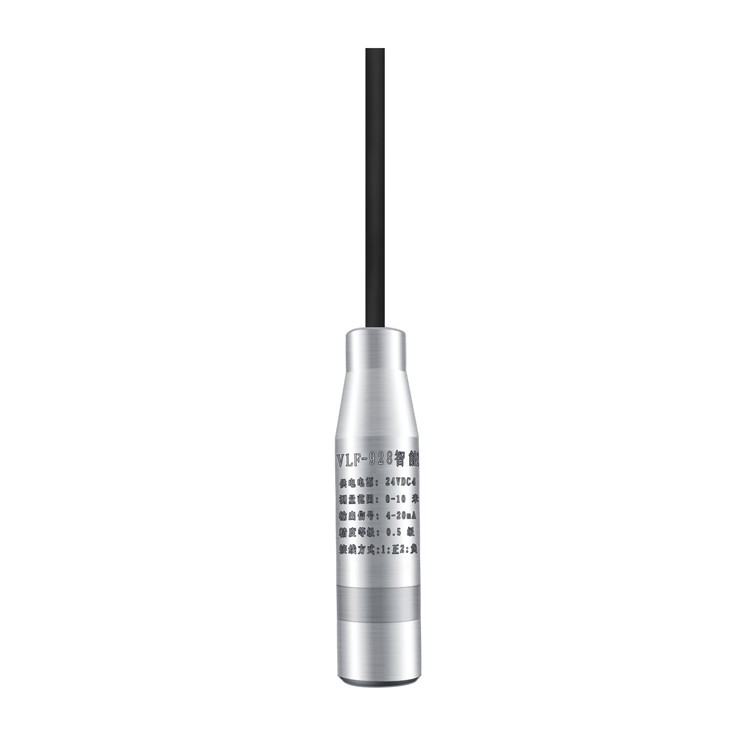
This is very useful in a rainwater harvesting system because it ensures that you're not over - pumping or running the pump when there's not enough water. A Liquid Level Sensor is an essential component of a level - based controller. It can be installed inside the tank to accurately measure the water level.
How to choose the right water pump controller for your rainwater harvesting system
When choosing a water pump controller, there are a few things you need to consider.
- System size: If you have a small rainwater harvesting system, like for a small garden, a simple level - based controller might be enough. But if you have a larger system that supplies water to a whole house, you might need a more sophisticated pressure - based controller.
- Pump type: Different pumps have different requirements. Make sure the controller you choose is compatible with your pump. For example, some pumps might require a controller with a specific voltage or current rating.
- Features: Some controllers come with additional features like remote control, automatic restart, or the ability to connect to a smart home system. Think about which features are important for your needs.
Installation and maintenance
Installing a water pump controller in a rainwater harvesting system is not too complicated, but it's important to follow the manufacturer's instructions. You'll need to connect the controller to the pump, the power supply, and any sensors. If you're not comfortable doing it yourself, it's a good idea to hire a professional.
Maintenance is also crucial to keep your controller and the whole system running smoothly. Check the sensors regularly to make sure they're working properly. Clean the controller and the pump as recommended by the manufacturer.
Conclusion
In conclusion, a water pump controller is a great addition to a rainwater harvesting system. It can improve efficiency, protect your pump, and make your life easier. Whether you're using rainwater for your garden or your whole house, there's a controller out there that can meet your needs.
If you're interested in learning more about water pump controllers for your rainwater harvesting system or are looking to make a purchase, I'd love to chat with you. We can discuss your specific requirements and find the best solution for you. Don't hesitate to reach out and start the conversation about how we can help you optimize your rainwater harvesting setup.
References
- Various industry reports on water pump controllers and rainwater harvesting systems
- Manufacturer's manuals for water pump controllers and related components