

When it comes to the installation of a pressure control switch, there are indeed several special requirements that need to be carefully considered. As a supplier of Pressure Control Switches, I have witnessed firsthand the importance of proper installation in ensuring the optimal performance and longevity of these devices.
Understanding the Basics of Pressure Control Switches
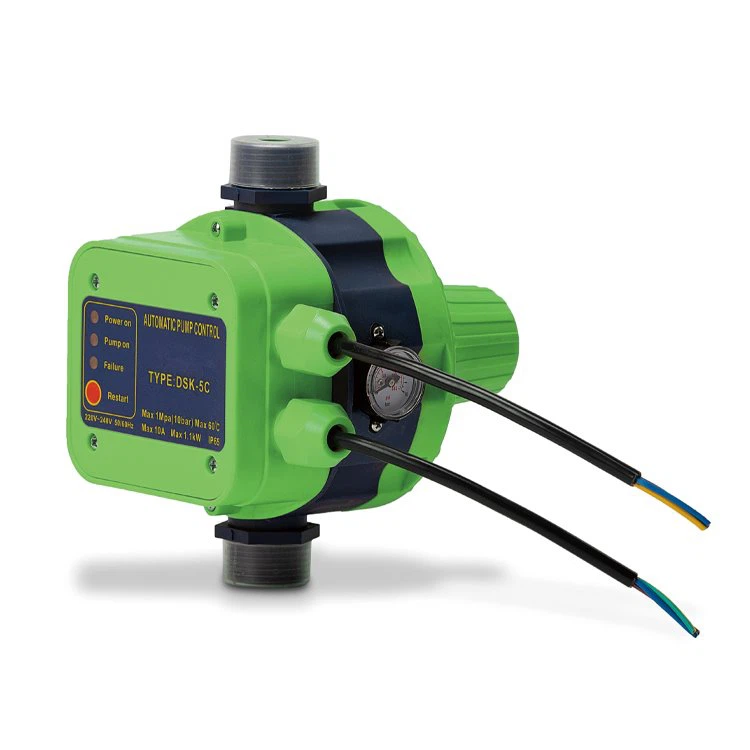
Before delving into the installation requirements, it's essential to have a clear understanding of what a pressure control switch is and how it functions. A Pressure Control Switch is a device that monitors the pressure of a fluid or gas in a system and automatically turns on or off a pump, compressor, or other equipment when the pressure reaches a pre - set level. This helps to maintain a stable pressure within the system, preventing over - pressurization or under - pressurization, which can lead to equipment damage or inefficient operation.
Location Selection
One of the first and most crucial requirements for mounting a pressure control switch is choosing the right location. The switch should be installed in a place where it can accurately measure the pressure of the fluid or gas in the system. It should be located close to the source of pressure, such as the outlet of a pump or the main pipeline. Avoid installing the switch in areas with excessive vibration, as this can cause false readings and premature wear of the switch components.
For example, if the pressure control switch is used in a water pumping system, it should be installed near the pump discharge. This allows the switch to sense the actual pressure generated by the pump and make accurate control decisions. Additionally, the location should be easily accessible for maintenance and adjustment.
Mounting Orientation
The orientation of the pressure control switch during installation is also important. Most pressure control switches are designed to be mounted in a specific orientation to ensure proper operation. For instance, some switches need to be mounted in a vertical position, while others can be mounted horizontally. Refer to the manufacturer's instructions for the correct mounting orientation of your specific pressure control switch.
Mounting the switch in the wrong orientation can lead to inaccurate pressure readings and may even cause the switch to malfunction. For example, if a switch that is designed to be mounted vertically is installed horizontally, the internal components may not function as intended, resulting in improper control of the system.
Pipe Fittings and Connections
Proper pipe fittings and connections are essential for a successful pressure control switch installation. The switch should be connected to the system using the appropriate pipe fittings, such as threaded connectors or flanges. Make sure the connections are tight and leak - free to prevent pressure loss and ensure accurate pressure measurement.
It's also important to use the correct size of pipe fittings. Using fittings that are too small can restrict the flow of fluid or gas, leading to inaccurate pressure readings. On the other hand, using fittings that are too large can cause pressure fluctuations and may not provide a secure connection.

Electrical Connections
In addition to the mechanical installation, the electrical connections of the pressure control switch are equally important. The switch needs to be connected to a power source and the equipment it is controlling. Make sure to follow the electrical wiring diagram provided by the manufacturer to ensure proper connection.
Use appropriate electrical cables and connectors that are rated for the voltage and current requirements of the system. Improper electrical connections can lead to short circuits, electrical fires, or damage to the switch and other equipment. It's recommended to have a qualified electrician perform the electrical installation to ensure safety and compliance with electrical codes.
Environmental Considerations
The environment in which the pressure control switch is installed can also have a significant impact on its performance. The switch should be protected from extreme temperatures, humidity, dust, and corrosive substances.
If the switch is installed in an outdoor environment, it should be housed in a weather - proof enclosure. In industrial settings where there are high levels of dust or corrosive chemicals, the switch may need to be protected by a special protective coating or enclosure. For example, in a chemical processing plant, the pressure control switch may be exposed to corrosive gases, so it should be made of corrosion - resistant materials or enclosed in a corrosion - proof housing.
Calibration and Testing
After the pressure control switch is installed, it needs to be calibrated and tested to ensure it is functioning correctly. Calibration involves setting the switch to the desired pressure set points. This should be done according to the requirements of the system.
Testing the switch involves applying pressure to the system and verifying that the switch turns on and off at the correct pressure levels. This can be done using a pressure gauge to measure the actual pressure in the system. If the switch does not operate as expected, adjustments may need to be made to the set points or the internal components of the switch.
Compatibility with Other Components
The pressure control switch should be compatible with other components in the system, such as pumps, valves, and Mechanical Switches. For example, if the switch is used to control a pump, the switch's contact rating should be sufficient to handle the electrical load of the pump.
In some cases, additional components such as Temperature Transmitters may be used in conjunction with the pressure control switch to monitor and control the system more effectively. Make sure that all components are compatible and work together seamlessly.
Maintenance and Inspection
Regular maintenance and inspection of the pressure control switch are necessary to ensure its continued operation. This includes checking for any signs of wear, damage, or leaks. The switch should be cleaned periodically to remove any dirt or debris that may affect its performance.
It's also important to test the switch regularly to ensure it is still operating within the specified pressure set points. If any problems are detected, the switch should be repaired or replaced as soon as possible.
Conclusion
In conclusion, mounting a pressure control switch requires careful consideration of several special requirements. From location selection and mounting orientation to pipe fittings, electrical connections, and environmental factors, every aspect of the installation process is crucial for the proper functioning of the switch.
As a Pressure Control Switch supplier, we are committed to providing high - quality products and comprehensive technical support. If you are in need of a pressure control switch for your application or have any questions about installation and operation, we invite you to contact us for procurement and further discussions. Our team of experts is ready to assist you in finding the right solution for your specific needs.
References
- Manufacturer's manuals for pressure control switches
- Industry standards for pressure control switch installation and operation