

Hey there! As an inverter supplier, I often get asked, "Are inverters energy - efficient?" Well, let's dive right into this topic and break it down.
First off, what the heck is an inverter? In simple terms, an inverter is a device that converts direct current (DC) to alternating current (AC). You'll find these little wonders in all sorts of applications, from small home appliances to large industrial equipment.
Let's talk about how inverters can save energy. One of the main ways is through variable speed control. Traditional motors usually run at a fixed speed, which means they're using the same amount of energy all the time, whether they need to or not. But with an inverter, you can adjust the speed of the motor according to the actual load. For example, in a Swimming Pool Pump Inverter, the pump doesn't always need to run at full speed. During off - peak hours or when the pool doesn't need as much circulation, the inverter can slow down the pump, using less electricity in the process.
Another area where inverters shine is in power factor correction. Power factor is a measure of how effectively electrical power is being used. A low power factor means that a lot of energy is being wasted. Inverters can improve the power factor of a system, making it more efficient. For instance, in industrial settings where large motors are used, a poor power factor can lead to higher electricity bills. By installing an inverter, the power factor can be optimized, and energy costs can be significantly reduced.
Let's take a look at some real - world examples. In a commercial building's HVAC system, an inverter - controlled compressor can adjust its speed based on the cooling or heating demand. When it's a mild day, the compressor runs at a lower speed, consuming less energy. Over time, these small savings add up to big bucks. Similarly, in a water treatment plant, a Digital Water Pump Inverter can regulate the flow of water by adjusting the pump speed. This not only saves energy but also reduces wear and tear on the pump, extending its lifespan.
But it's not all sunshine and rainbows. There are some situations where inverters might not be as energy - efficient as we'd like. For example, if an inverter is oversized for the load it's driving, it can actually waste energy. The inverter has its own internal losses, and if it's not properly matched to the load, these losses can offset the potential energy savings. Also, the initial cost of purchasing and installing an inverter can be high. However, it's important to look at the long - term benefits. The energy savings over time can often pay for the initial investment.
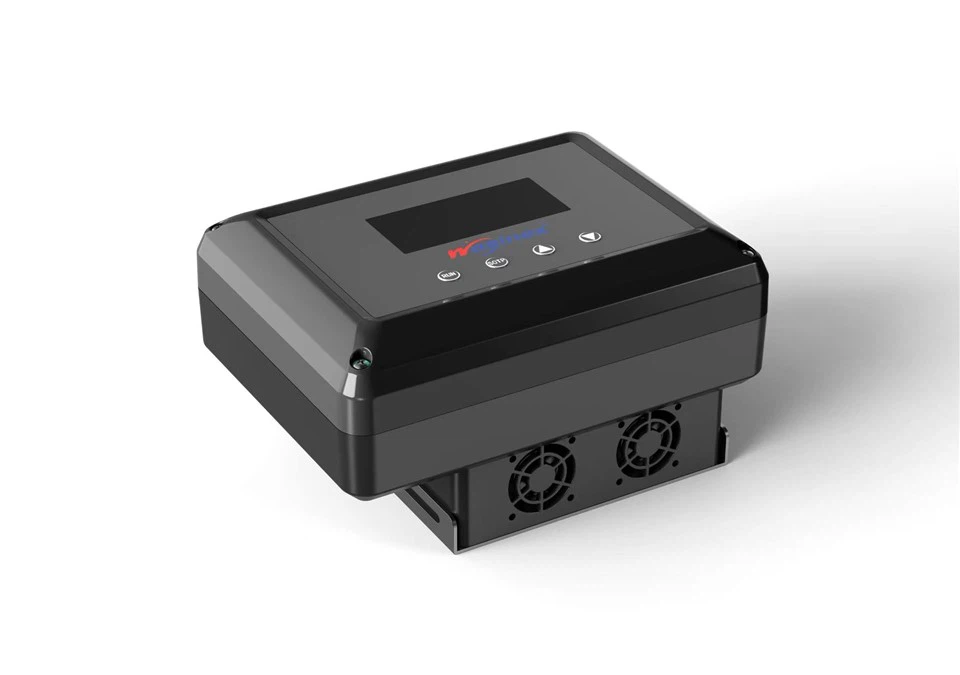

Now, let's talk about the latest advancements in inverter technology. One of the most exciting developments is the New LCD Three - phase Inverter. This type of inverter comes with a built - in LCD display that provides real - time information about the system's performance. You can easily monitor parameters like voltage, current, and power consumption. This makes it easier to optimize the system for maximum energy efficiency.
In addition, modern inverters are becoming more intelligent. They can communicate with other devices in a system and adjust their operation automatically. For example, in a smart home, an inverter - controlled appliance can communicate with a smart meter and adjust its energy consumption based on the time - of - use electricity rates. This means that the appliance can run when electricity is cheaper, further reducing energy costs.
So, to answer the question "Are inverters energy - efficient?" The answer is a resounding yes, in most cases. When properly sized and installed, inverters can offer significant energy savings. They're a great investment for both residential and commercial applications.
If you're interested in learning more about how our inverters can help you save energy and money, or if you're looking to make a purchase, don't hesitate to reach out. We're here to answer all your questions and guide you through the process of finding the right inverter for your needs. Whether you're a homeowner looking to cut down on your electricity bill or an industrial operator aiming to improve your bottom line, we've got the solutions you need.
References
- "Electric Motor Systems: Improving Efficiency and Saving Energy" by the U.S. Department of Energy
- "Inverter Technology and Its Applications" by IEEE Power Electronics Society